




Industrial Sandblasting Machine Troubleshooting & Common Problems
Industrial Sandblasting Machine Troubleshooting
Air Circuit | Sand Circuit | Dust Collection | Electrical Circuit
This complete industrial sandblasting machine troubleshooting guide helps operators quickly diagnose and fix common faults in industrial blasting equipment, including air circuit failures, abrasive feed issues, dust collection problems, and electrical system malfunctions. All solutions are based on on-site maintenance experience from professional industrial blasting engineers with 18+ years of field service.
Most industrial sandblaster failures are not major mechanical breakdowns. When encountering an abnormality during surface treatment, first judge the source of the issue. Systematically determine whether it is a problem with the air circuit, sand circuit, dust collection system, electrical system, or simply a worn-out nozzle consumable.
Industrial Sandblasting Machine Maintenance Mantra
Memorize this diagnostic sequence to save hours of sandblasting machine troubleshooting time:
Check the air first, then check the sand.
Check the pressure first, then check for blockages.
Clean the filter first, then change the nozzle.
Drain the water first, then test the machine.
The Top 4 Common Sandblasting Machine Problems & Troubleshooting Solutions
1. Sandblasting Machine No Sand Output: Causes & Quick Fixes
Possible Causes & Solutions
Empty Hopper: Check the abrasive levels in the cabinet hopper and refill if necessary.
Abrasive Valve Blockage: Inspect the sand valve for debris or oversized particles blocking the flow. Clean out any obstructions.
Damp Abrasive: If moisture has entered the system, the abrasive media can clump. Ensure your air compressor has a working moisture separator and replace damp media.
Quick Troubleshooting Tip: If you have checked the hopper and valve but still have no abrasive flow, disconnect the blast hose and test air pressure at the nozzle end to rule out air supply issues before disassembling the abrasive system.
2. Sandblasting Machine Low Pressure: Why Blast Pressure Drops
Possible Causes & Solutions
Insufficient Air Supply: Verify that the air compressor is delivering the required CFM and PSI for your specific machine.
Worn Nozzle: A worn-out boron carbide or ceramic nozzle will enlarge the orifice, leading to pressure drops. Replace the nozzle if worn.
Air Leaks: Inspect all hoses, fittings, and O-rings for hissing sounds or visible air leaks. Tighten or replace as needed.
Quick Troubleshooting Tip: Nozzle wear is the most overlooked cause of pressure drop. For consistent blasting performance, inspect your boron carbide nozzle bore size every 80–100 hours of operation and replace it when the inner diameter increases by 20%.
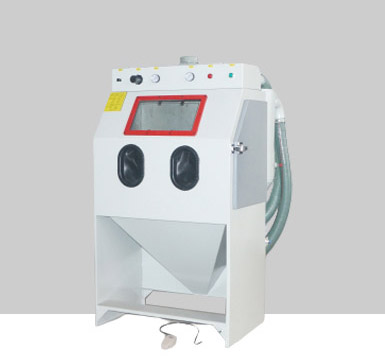
3. Sandblasting Cabinet Dust Problems: Causes & Solutions
Possible Causes & Solutions
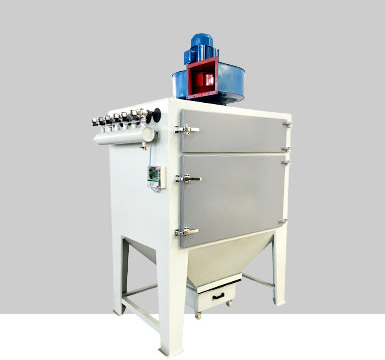
Clogged Dust Collector: The filter cartridge may be saturated with fine dust. Use the pulse cleaning function or manually remove and clean/replace the filter.
Broken Seals: Check the door gaskets and window seals for wear and tear. Replace any compromised rubber seals to maintain negative pressure.
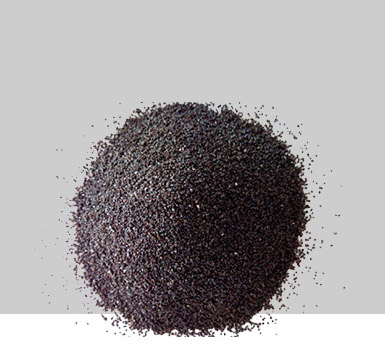
Degraded Media:Glass beads or aluminum oxide break down over time. If the media has turned to powder, it's time to replace the entire batch.
Quick Troubleshooting Tip: Always run the dust collector for 2–3 minutes after blasting ends to clear residual dust from the cabinet interior. This habit extends filter life and reduces seal wear from abrasive dust buildup.
4. Sandblasting Machine Sudden Shutdown: Electrical & Mechanical Fixes
Possible Causes & Solutions
Electrical Overload: Check the thermal overload relay in the control box. If it has tripped, reset it, but investigate the cause of the motor strain (e.g., a jammed dust collector fan).
Emergency Stop: Ensure the emergency stop button was not accidentally engaged. Twist to release.
Power Supply Issues: Verify the main power connection and check internal fuses within the electrical circuit.
Quick Troubleshooting Tip: If the thermal overload trips repeatedly, do not keep resetting it. This indicates a persistent mechanical or electrical issue that requires professional inspection to avoid permanent motor damage.
Preventive Maintenance to Reduce Sandblasting Machine Breakdowns
Proactive routine maintenance is the most effective way to minimize downtime and avoid frequent sandblasting machine troubleshooting. Follow these core practices to extend your equipment lifespan and stabilize blasting quality:
Daily Air System Checks: Drain water from air compressor tanks and moisture separators at the start of each shift to prevent abrasive clumping and internal pipeline corrosion.
Regular Abrasive Management: Sift reusable media periodically to remove fine dust and broken particles, which improves blasting consistency and reduces dust collector load.
Scheduled Wear Part Inspections: Replace worn nozzles and damaged door seals promptly to maintain stable blasting pressure and reliable negative pressure inside the work cabinet.
Filter Maintenance Routine: Pulse-clean dust collector filters daily and perform deep cleaning or full replacement every 3–6 months based on your production usage intensity.

If you are reading this guide, your sandblasting machine likely has a stubborn fault that is difficult to resolve on your own. Don't let equipment downtime affect your production schedule — our professional engineering team provides on-site and remote sandblasting machine troubleshooting and repair support for all industrial blasting equipment.
Contact Our Engineers