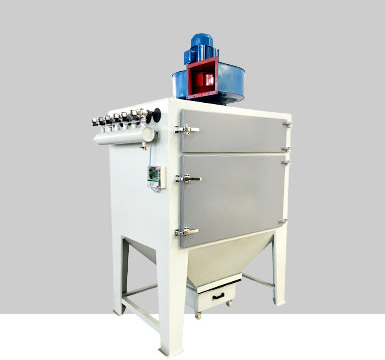






Why You Need a Dust Collector
When evaluating industrial machinery, decision-makers often focus on power,precision, and production speed. However, one critical system often works silently in the background yet has a direct impact on productivity, compliance, and equipment lifespan: the industrial dust collector system.
For manufacturers operating sandblasting, shot blasting, metal fabrication, or surface treatment lines, dust control is not optional. In real-world industrial environments, insufficient dust collection frequently leads to equipment failure, unplanned downtime, poor surface quality, and regulatory violations.
This guide explains how industrial dust collectors work, compares the main system types, and—most importantly—helps you select the right dust collection solution for your specific application.
What Is an Industrial Dust Collector?
An industrial dust collector is an air filtration system designed to capture, separate, and remove airborne dust and particulate contaminants generated during manufacturing processes.
By extracting dust at the source before it spreads, dust collectors help facilities:
Maintain a clean and safe working environment
Protect worker respiratory health
Prevent abrasive dust from damaging machinery
Ensure stable and repeatable production quality
Dust collection systems are widely used across metalworking, sandblasting, woodworking, foundries, food processing, and pharmaceutical manufacturing.
How an Industrial Dust Collector System Works
A standard dust collector operates by drawing contaminated air into a filtration unit, removing particles, and returning clean air to the workspace or safely exhausting it outside. Core system components include:
Collection Hood: Captures dust directly at the source.
Ductwork: Transports contaminated air to the collector.
Filter or Separator: Traps dust particles efficiently.
Fan / Motor: Generates required airflow (CFM).
Dust Bin or Hopper: Collects waste for disposal.
Most modern industrial systems use pulse-jet cleaning, which automatically cleans filters using compressed air. This maintains stable airflow and significantly reduces manual maintenance and downtime.
Types of Industrial Dust Collector Systems
Selecting the correct system depends largely on dust characteristics, volume, and process conditions. Below is a comparison of the most commonly used dust collector types:
| System Type | Best For | Key Advantage |
|---|---|---|
| Cartridge Dust Collectors | Fine dust, compact workshops | High filtration efficiency, small footprint |
| Baghouse Dust Collectors | Foundries, cement, heavy industry | Handles large dust volumes and high temperatures |
| Cyclone Dust Collectors | Heavy particles, pre-separation | Removes large debris before filtration |
| Portable Dust Collectors | Small shops, mobile operations | Flexible, easy to relocate |
Dust Collector Selection by Application Scenario
Different industrial processes generate very different dust profiles. Choosing the wrong system often results in poor performance or excessive maintenance.
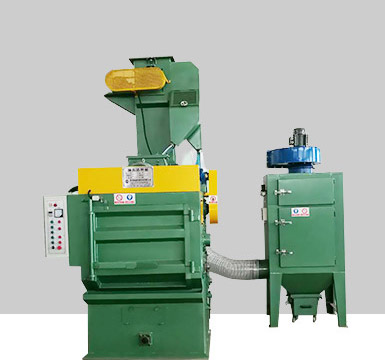
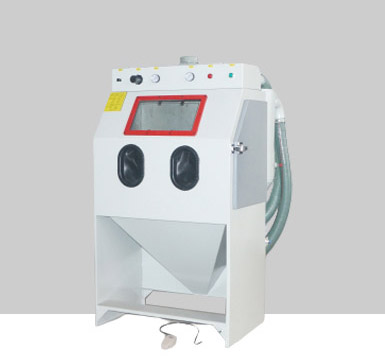
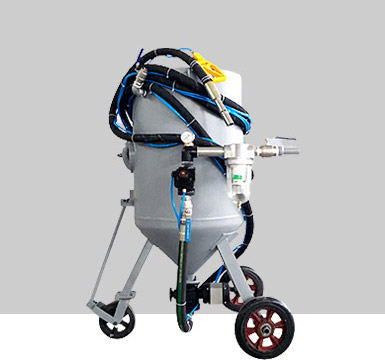
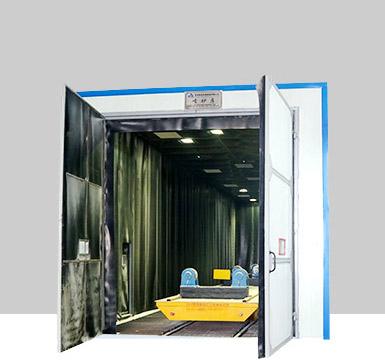
Dust Collectors for Sandblasting & Shot Blasting
Extremely high dust volume
Abrasive particles
Requires high CFM airflow and wear-resistant filters
Automatic pulse cleaning is essential
Dust Collectors for Welding & Metal Grinding
Fine particulate matter
Requires high-efficiency cartridge filtration
Compact indoor systems are often preferred
Dust Collectors for Foundries
Heavy dust loads and high temperatures
Baghouse systems combined with cyclone pre-separators are commonly used
Matching the dust collector to the actual application is critical for long-term reliability and operating cost control.
Baghouse vs Cartridge Dust Collectors: Which Is Better?
This is one of the most common questions from industrial buyers.
Baghouse dust collectors are ideal for large-scale operations with high dust volumes and elevated temperatures. They are robust but require more space.
Cartridge dust collectors offer higher filtration efficiency in a smaller footprint, making them suitable for fine dust and indoor installations.
There is no universal “better” option—the correct choice depends on dust type, airflow demand, and available installation space.

How Much Does an Industrial Dust Collector Cost?
The cost of an industrial dust collector varies widely depending on system configuration. Typical influencing factors include:
Dust collector type (cartridge, baghouse, cyclone)
Required airflow (CFM)
Filtration efficiency and automation level
Filter material and wear resistance
Installation environment (indoor or outdoor)
While initial purchase cost is important, experienced buyers focus on total cost of ownership (TCO), including filter replacement frequency, energy consumption, maintenance labor, and downtime risk. A properly selected system often delivers a strong ROI by reducing maintenance costs and improving production stability.
5 Key Reasons Industrial Facilities Need Dust Collection Systems
1. Protect Worker Health
Airborne industrial dust poses serious respiratory risks. Effective dust collection significantly reduces exposure and helps maintain regulatory compliance.
2. Extend Equipment Lifespan
Dust accelerates wear on motors, bearings, and moving parts. Clean air directly translates into longer equipment service life.
3. Improve Productivity
Automated dust removal eliminates frequent cleaning interruptions and keeps production running smoothly.
4. Meet Environmental & Safety Regulations
Industrial facilities must comply with strict air quality standards. Certified dust collectors help avoid fines and operational shutdowns.
5. Reduce Overall Operating Costs
Although dust collectors require upfront investment, they reduce long-term expenses related to healthcare, maintenance, and energy inefficiency.
Industries That Rely on Industrial Dust Collection
Dust removal systems are essential in industries such as:
Metalworking & Surface Treatment
Sandblasting & Shot Blasting Lines
Woodworking & Furniture Manufacturing
Pharmaceutical Production
Food Processing Plants
Automotive & Aerospace Manufacturing
Electronics & Precision Machining
How to Choose the Right Industrial Dust Collector
Before selecting a system, experienced engineers evaluate:
Dust characteristics: (Abrasive, sticky, combustible)
Required airflow (CFM): Matches your machine's output.
Space limitations: Indoor vs. Outdoor installation.
Maintenance requirements: Automation level.
Compliance: Local environmental and safety regulations.
Conclusion
An industrial dust collector system is a critical investment for protecting workers, maintaining equipment reliability, and ensuring regulatory compliance. In competitive manufacturing environments, clean air is not a luxury—it is an operational necessity.
With experience supporting dust control systems for sandblasting, shot blasting, and heavy industrial applications, professional system selection ensures stable performance, lower operating costs, and long-term production success.