




10 Sandblasting Tips & Tricks
Sandblasting functions as an efficient technique for surface cleaning and smoothing, as well as surface preparation before finishing operations. The right techniques and sandblasting equipment prevent waste of time, materials, and unnecessary monetary expenses.
Taisheng Machinery has operated for more than 18 years as a leading manufacturer of sand blasting machines. Our company has served customers in the automotive, aerospace, steel, and manufacturing sectors throughout 30 different nations. We provide solutions that include sand blaster machines, accessories, media, and safety systems.
Our team shares essential sandblasting techniques to improve your outcomes at every skill level. Let’s dive in.
1. Select a Sand Blasting Machine That Meets Your Requirements
Each sand blasting machine differs in performance. Using the right model for abrasive blasting operations ensures time efficiency and superior surface quality.
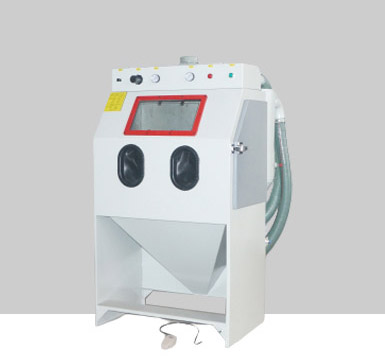
For small, detailed work: Try a bead blast cabinet or bench-top sandblaster.
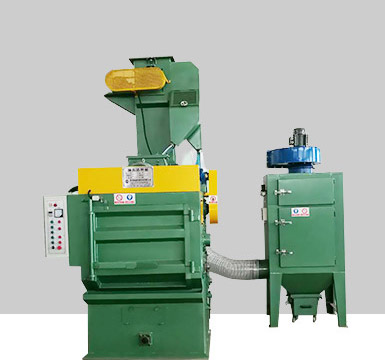
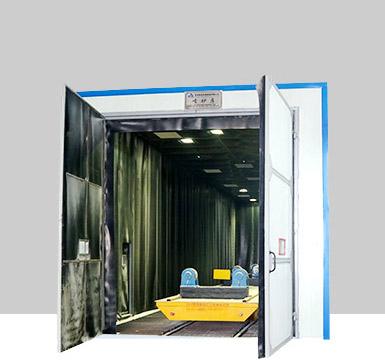
For larger parts or batch production: Choose an industrial sand blasting machine with an automatic control system.
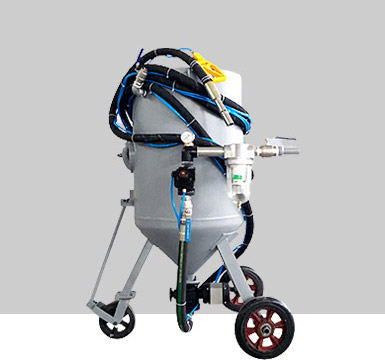
For field jobs: A portable sand blast machine paired with a reliable compressor is ideal.
2. Select Media That Corresponds to the Material
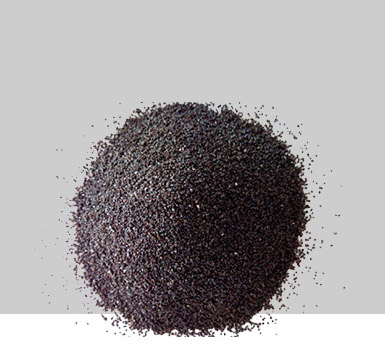
The final finish depends heavily on your abrasive selection. The wrong abrasive can harm parts or reduce your sand blasting machine’s life.
| Media Type | Best For | Key Characteristic |
|---|---|---|
| Glass Beads | Aluminum or delicate components | Creates smooth, satin finishes without removing base metal. |
| Steel Grit or Shot | Heavy-duty cleaning | Aggressive scale removal and surface profiling. |
| Aluminum Oxide | Rust and paint removal | Sharp-cutting and fast-acting. |
| Ceramic Sand | Consistent sand blasting | Long-lasting and reusable. |
3. Perform Equipment Inspections Before Operation
A well-maintained sand blaster machine ensures stable, efficient performance. Check the following at the start of each shift:
Cracks or leaks in hoses.
Nozzle wear and tear (Replace if orifice is worn).
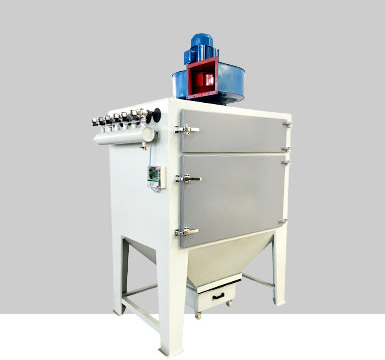
Dust collection performance.
Abrasive flow consistency.
4. Equip with a Compressor for Correct Air Flow
Moisture in your air system ruins blasting quality. To avoid this:
Install air dryers or moisture separators.
Use compressors with adequate CFM output for your sand blasting machine configuration.
If you're unsure about airflow requirements, we offer a compressor sizing guide to support your sand blasting equipment setup.
5. Control Your Nozzle Angle and Distance
Whether you're using a sandblaster cabinet or a portable system, blasting at the right angle and distance is critical.
Aim at a 45° to 60° angle: Never blast at 90° (perpendicular), as this causes media to bounce back and interfere with the incoming stream.
Keep 4–8 inches distance: Adjust based on the pressure and surface sensitivity.
Move in smooth strokes: Use overlapping passes to avoid uneven patterns.
6. Always Wear Proper Safety Gear
During any sand blasting task, safety is crucial. You must use:
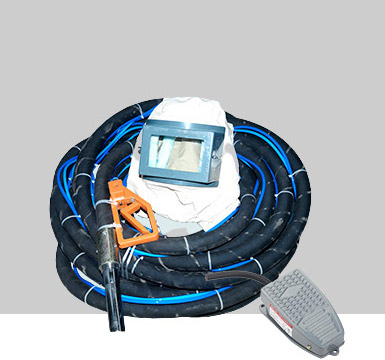
Full-face helmet or safety goggles.
Heavy-duty gloves and a protective suit.
Respirator or air-fed mask (especially for silica-free environments).
7. Keep Your Workspace Clean and Ventilated
A clean workspace improves efficiency and safety.
Use collectors for airborne particles.
Clean spent abrasive from sand blasting cabinets regularly.
Work in enclosed systems for better control.
8. Maintain Constant Blasting Pressure
Inconsistent pressure reduces finish quality and wastes materials. Here’s how to maintain it:
Use high-quality regulators.
Check hoses for leaks.
Keep air lines short to prevent pressure drop.
Choose nozzles suited for your sand blasting task.
9. Maintain Your Equipment for Longer Life
All sand blasting equipment benefits from regular care. Follow this checklist:
Replace nozzles before performance drops.
Clean filters regularly to prevent clogging.
Maintain recycling systems to separate dust from reusable media.
Lubricate all moving components in automated systems.
10. Control Blasting Speed for Uniform Coverage
Speed is often overlooked but essential for both large panels and precise parts.
Keep a steady hand and avoid stopping in one place.
Use a side-to-side motion and overlap each pass (50% overlap is standard).
Set conveyor and nozzle speeds on automated units accordingly.
At Taisheng, our automatic sand blasting machines include adjustable blast speeds for optimal control across various applications.
Conclusion
Effective sandblasting isn’t about brute force—it’s about skill, setup, and consistency. These tips help improve safety, surface finish, and cost-efficiency.
Taisheng Machinery helps you select the right sand blaster, sand blasting machine, or complete solution tailored to your goals. Looking to buy or interested in sand blaster rental? We’ve got you covered.
Need Professional Advice for Your Project?
Our team is ready to recommend the most suitable solution for your specific project requirements.