



How to Recycle Abrasives for Blast Cabinets
Why You Should Recycle Abrasives
Blast cabinet media recycling minimizes waste materials and decreases operational expenses while promoting environmental sustainability. The proper management of blast cabinet abrasives enables multiple reuses of the media, thereby reducing the need to purchase new blast media. The proper management of blast cabinet systems results in both reduced operational expenses and better system efficiency.
What to Consider When Recycling Abrasives
Variables That Affect Recycling
The effectiveness of abrasive recycling depends on evaluating multiple variables that determine media reusability.
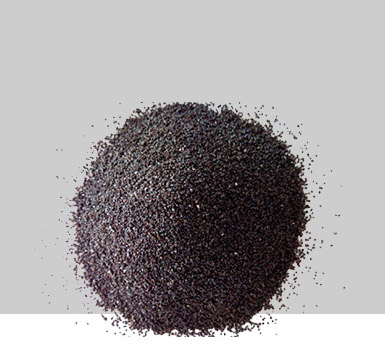
Harder abrasives, such as aluminum oxide and steel grit, maintain their durability across multiple blast cycles because of their hardness properties.
The breakdown rate of fine particles affects their recyclability because they tend to wear out more quickly.
Abrasive Shape: Angular shapes provide better cleaning performance but may degrade faster compared to spherical media.
The blast cabinet cycle life extends when there is sufficient media in the system, provided regular maintenance takes place.
Part Hardness: Softer parts may produce less wear on the abrasives, extending media life.
The delivery systems of suction and pressure determine both the impact force and the wear rate of the media.
Longer part-to-nozzle distances decrease the impact velocity of media while also extending the lifespan of the abrasive material.
Factors to Consider Before Recycling
Begin recycling blast cabinet abrasives only after evaluating these essential points:
The recycling of abrasives depends on whether they are made for one-time use or multiple applications.
You should understand the number of cycles your media can handle to determine when recycling becomes necessary and when replacement becomes essential.
External Conditions: Moisture, oil contamination, and workpiece material can reduce the life of cabinet media.
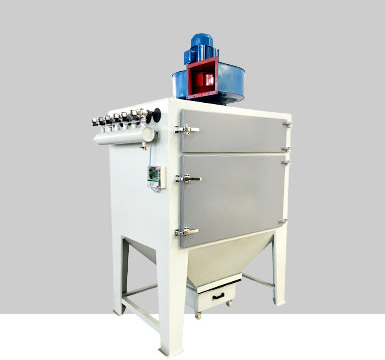
The efficient operation of cabinet recycling depends on blast cabinet systems that include separators and dust collectors, together with screens.
Rules for Reusing Abrasives
Follow these best practices when recycling your blast cabinet media:
Soft media materials, such as plastic or corn cob, are not suitable for reuse because they break down rapidly.
Each abrasive material has specific impact limits that determine when breakdown starts to accelerate rapidly.
Establish a system to measure the recycling counts of your media because this data helps you identify when performance degradation starts to occur.
A high-quality separator system should be purchased for effective dust and particle removal to ensure that only usable media gets recycled.
The blasting process requires the replacement of blast cabinet media when effectiveness declines because this maintains optimal blasting quality.
Dependable Solutions from Taisheng Machinery
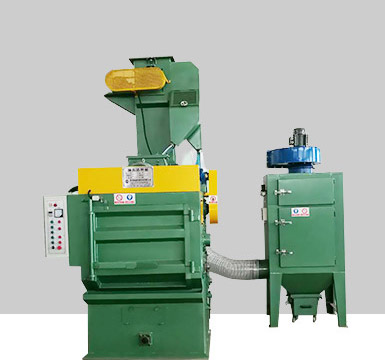
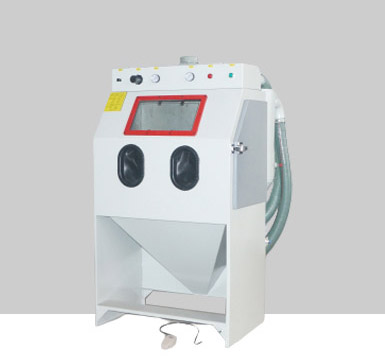
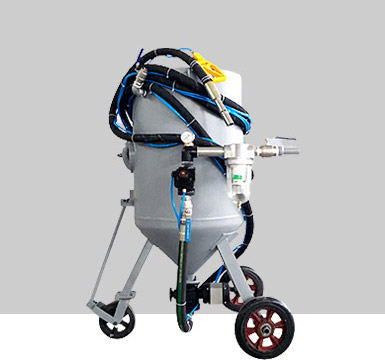
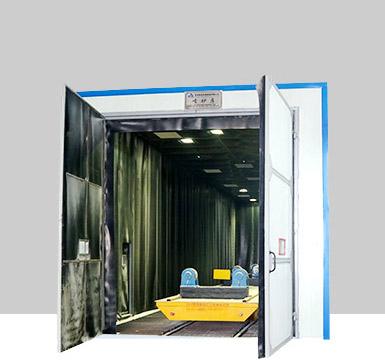
Our team at Taisheng Machinery designs blast cabinet systems that deliver reliable performance for efficient media recycling operations. Our blast cabinet systems serve both small precision needs and large-scale industrial needs with optimal abrasive recycling capabilities.
Your blasting operation becomes more sustainable through proper abrasive recycling techniques, which also decrease operational expenses. Our team provides information about enhancing blast cabinet media recycling efficiency to extend abrasive lifespan, so please reach out to us today.