



Plastic Media Blasting & Applications – Taisheng Machinery
The process of chemical stripping and substrate damage has become too much to handle, so you should try plastic media blasting. Are you currently dealing with this situation?
Your goal is to efficiently eliminate all existing paint, powder, and carbon deposits. However, the use of steel grit or aluminum oxide in traditional sandblasting methods makes you extremely concerned about damaging your valuable substrates—like aluminum parts, fiberglass, precision molds, or even composite materials.
Or, perhaps the combination of harsh fumes, environmental risks, and slow chemical stripper operations has reached a point where you want to find an alternative solution.
The solution you have been looking for most likely exists in Plastic Media Blasting (PMB) if your answer is yes.
What is Plastic Media Blasting?
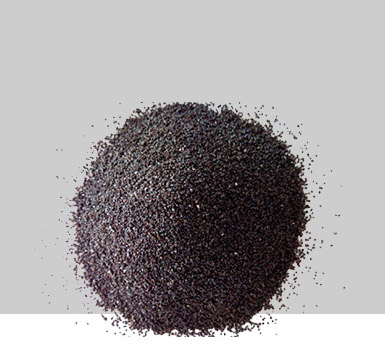
The process of Plastic Media Blasting employs engineered plastic granules that retain their hardness while being gentler than metal substrates for abrasive blasting.
The special characteristic of this process emerges from its perfectly balanced hardness level. The abrasive material functions as a "small hammer" to remove paint, grime, and carbon deposits from surfaces. The media maintains sufficient hardness to perform its chipping function but remains gentle enough to prevent damage to the metal substrate, including aluminum, without causing etching, pitting, or dimensional changes.
The recyclable nature of Plastic Media Blasting media provides additional benefits to users. The eco-friendly aspect of recycling media leads to direct financial benefits for your business. We will perform the calculation to demonstrate the cost benefits in the following sections.
Plastic Media Blasting vs. Soda Blasting vs. Glass Bead
"How is this different from soda blasting?" This is one of the most common questions we get. The table below outlines the key differences:
| Feature | Plastic Media Blasting (PMB) | Soda Blasting | Glass Bead Blasting |
|---|---|---|---|
| Primary Use | Non-destructive paint stripping, mold cleaning, and composites | Light cleaning, degreasing, and paint stripping | Surface finishing, peening, and cleaning |
| Substrate Impact | Extremely low (Safe for aluminum, fiberglass) | None (but alters surface pH, affecting paint prep) | Low (but imparts a compressive stress / bright finish) |
| Recyclability | Recyclable (Up to 10-20 cycles) | Non-recyclable (One-time use) | Recyclable (but shatters easily, shorter life) |
| Cleanup | Easy (Inert media, no residue) | Difficult (Soda dust residue, requires thorough washing) | Moderate |
Application Summary:
If your goal is to "finish" or "peen" a metal surface, choose glass bead.
If your goal is light cleaning on a hyper-sensitive surface, soda is an option (but beware of the residue).
But if your core need is to strip coatings without damage and control long-term costs efficiently, Plastic Media Blasting is often the most cost-effective and hassle-free choice.
How to Choose the Right Media?
The selection of media requires the same care as choosing appropriate equipment for specific tasks. The selection of an inappropriate tool will lead to reduced operational efficiency. The following section explains the three primary media types that you need to understand.
Type II (Urea): The "Workhorse"
What it is: The recommended product delivers excellent performance thanks to its ideal balance of hardness and durability.
Best for: The product works best for removing powder coatings and paints from automotive components and aircraft, as well as fiberglass boat surfaces. The product is a primary choice for Plastic Media Blasting Applications when working with aluminum and fiberglass materials.
Industries: Automotive Restoration, Aviation Maintenance, Marine.

Type III (Melamine): The "Aggressive Cleaner"
What it is: This is the hardest and sharpest of the common types.
Best for: When you're tackling stubborn resins, carbon, or thick coatings on industrial molds or engine components, Type III is what we recommend.
Warning: Because it's more aggressive, be careful not to use this on sensitive aluminum or composite parts.

Type V (Acrylic): The "Gentle Touch"
What it is: This is the softest media in the family.
Best for: When you're dealing with very thin aluminum skins (like an aircraft fuselage), delicate electronic components, or sensitive composites, Type V is the safest choice to prevent any warping or surface stress.
Industries: Aerospace, Electronics.

Is Your Air Compressor Ready?
We have seen too many customers buy media only to discover their equipment can't keep up. Plastic Media Blasting has very specific requirements for air pressure and air volume.
The Pressure (PSI) Warning: Bigger is NOT Better!
This is a very, very common mistake. Operators who work with sandblasting equipment are accustomed to operating at pressures between 80-100 PSI. The operating pressure for Plastic Media Blasting needs to stay between 20-40 PSI.
Why? The process requires paint chipping instead of media shattering. Operating at high pressures above 80 PSI will break down your expensive plastic media into useless pieces while simultaneously harming the surface material you want to protect. Your operation needs a precise pressure regulator that produces a steady low-pressure output.
The Volume (CFM) is Key: Is Your Compressor Big Enough?
While PMB is low pressure, it is very high in air volume (CFM - Cubic Feet per Minute). If you don't have enough CFM, the pressure at the nozzle will drop, and your blasting will be inconsistent and painfully slow.
A 3/8" (9.5mm) nozzle needs 150-200 CFM of air flow to function properly when operating at 40 PSI pressure.
The required air flow rate for a 1/2" (12.7mm) nozzle exceeds that of a 3/8" nozzle.
You should verify the nameplate CFM rating of your air compressor before starting a Plastic Media Blasting operation. The system requires either a smaller nozzle or a new compressor with higher CFM output.
The True Cost (TCO) of Plastic Media Blasting
As a B2B decision-maker, you care about Total Cost of Ownership (TCO), not just the purchase price. The initial price per pound of Plastic Media Blasting media may be higher than glass bead or slag, but the long-term savings are significant.
Media Cost: The high-quality plastic media allows for 10 to 20 cycles of sifting and recycling before it needs to be replaced. The single-use nature of traditional abrasives and soda makes them different from PMB. Your media consumption expenses will decrease by more than 80% because of this long-term media usage.
Cleanup Cost: The operation of PMB produces minimal dust compared to traditional blasting methods while eliminating free silica particles, which protects operators from harm. The reduction of dust particles during operations leads to shorter cleanup periods, which results in higher production output.
Disposal Cost: The reduced media usage results in decreased industrial waste that needs to be transported to disposal facilities. The current environmental rules provide substantial financial benefits to organizations that reduce their waste output.
When you factor everything in, the TCO for many applications makes Plastic Media Blasting the most economical choice.
Contact us today for a free consultation.
Our engineers will help you select the right machine to meet your local safety standards and project budget.