




Understanding Vapor Blasting Equipment: Principles, Applications, and Benefits
Vapor blasting equipment, also known as wet blasting or slurry blasting, is a surface finishing process that combines the benefits of traditional sandblasting with the gentleness of water-based techniques. This innovative method is gaining popularity across various industries due to its ability to clean, deburr, and polish surfaces without causing damage. This article explores the principles of vapor blasting, its applications, benefits, and future trends in the industry.
What is Vapor Blasting?
Vapor blasting is a process that utilizes a mixture of water, abrasive media, and air to clean or finish surfaces. Unlike traditional dry blasting methods, which can generate a significant amount of dust and debris, vapor blasting minimizes airborne particles by using water to contain the abrasive material and suppress dust.
Key Components of Vapor Blasting Equipment
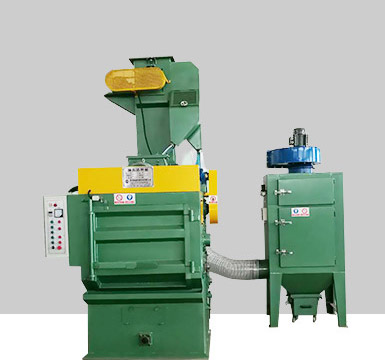
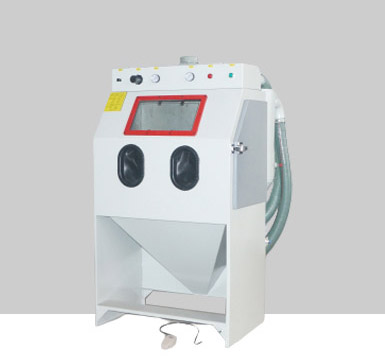
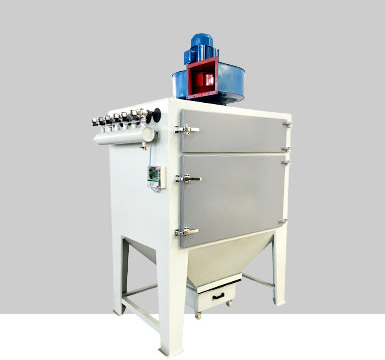
Blast Cabinet: A sealed chamber where the blasting process occurs. It protects the operator from dust and ensures a controlled environment for the blasting operation.
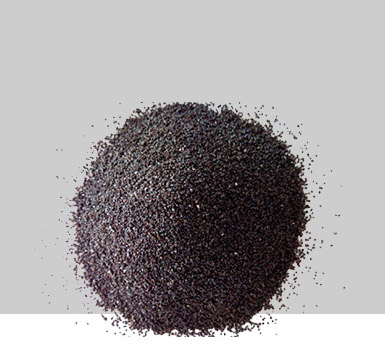
Abrasive Media: Commonly used media include glass beads, aluminum oxide, and garnet. The choice of media depends on the desired finish and the material being treated.
Water Supply: A consistent flow of water is essential for the vapor blasting process. The water helps to dampen the abrasive particles and reduces dust generation.
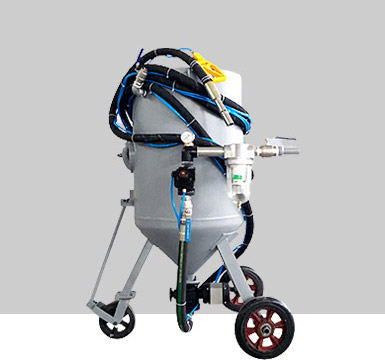
Air Compressor: Provides the necessary air pressure to propel the abrasive media and water mixture onto the surface being treated.
Control System: Enables operators to adjust parameters such as pressure, flow rate, and media feed, allowing for precise control over the blasting process.
How Vapor Blasting Works
The vapor blasting process can be broken down into several key steps:
Preparation: The surface to be treated is cleaned of any loose debris or contaminants. This ensures that the vapor blasting process can effectively remove unwanted materials.
Abrasive and Water Mixture: The abrasive media is mixed with water in a specific ratio, creating a slurry that is less abrasive than dry media alone. This mixture is crucial for achieving a delicate finish.
Blasting: The mixture is propelled through a nozzle using compressed air. As the slurry exits the nozzle, it impacts the surface, removing contaminants, oxidation, and other unwanted materials.
Surface Finishing: The gentle action of the water and abrasive mixture polishes the surface, leaving it clean and free of imperfections.
Post-Process Cleaning: After blasting, the surface may require rinsing to remove any residual media or contaminants, ensuring a clean finish.

Applications of Vapor Blasting Equipment
Vapor blasting finds applications in various industries due to its versatility and effectiveness:
1. Automotive Industry
In the automotive sector, vapor blasting is used for cleaning engine components, carburetors, and aluminum parts. The process effectively removes grease, grime, and oxidation without harming the underlying material.
2. Aerospace Industry
Vapor blasting is ideal for aerospace applications, where precision and quality are paramount. It is used for cleaning turbine blades, fuel injectors, and other critical components, ensuring they meet stringent safety and performance standards.
3. Manufacturing
In manufacturing, vapor blasting is employed for deburring and finishing machined parts, improving surface quality and preparing components for further processing or coating.
4. Restoration and Conservation
Vapor blasting is popular in restoration projects for vintage vehicles, machinery, and historical artifacts. It allows conservators to clean surfaces without damaging delicate features or finishes.
5. Medical Equipment
In the medical field, vapor blasting is used for cleaning and sterilizing surgical instruments and implants, ensuring they are free from contaminants and suitable for use in medical procedures.
Advantages of Vapor Blasting Equipment
Vapor blasting offers several significant benefits compared to traditional dry blasting methods:
1. Reduced Dust Generation
One of the most notable advantages of vapor blasting is its ability to minimize dust. The water component suppresses airborne particles, creating a cleaner and safer work environment.
2. Gentle Cleaning Action
Vapor blasting is less aggressive than dry blasting, making it suitable for delicate surfaces. It effectively cleans and finishes materials without causing damage, reducing the risk of over-blasting or altering the shape of components.
3. Improved Surface Finish
The combination of water and abrasive media results in a smoother surface finish. Vapor blasting can achieve a satin or matte finish, which is often desired in various applications.
4. Versatility
Vapor blasting can be used on a wide range of materials, including metals, plastics, and composites. This versatility makes it an ideal choice for various industries and applications.
5. Environmentally Friendly
By using water to contain dust and reduce waste, vapor blasting is a more environmentally friendly option compared to traditional dry blasting methods. The reduced use of harmful chemicals and materials contributes to a safer workplace.

Challenges and Considerations
While vapor blasting offers many advantages, there are some challenges to consider:
1. Equipment Cost
The initial investment for vapor blasting equipment can be higher than traditional dry blasting systems. However, the long-term benefits and reduced maintenance costs can offset this initial expense.
2. Water Management
Proper management of water usage and disposal is essential to avoid environmental concerns. Operators must ensure that water is recycled and contaminants are disposed of responsibly.
3. Training Requirements
Operators may require specialized training to effectively use vapor blasting equipment and understand the nuances of the process, including media selection and pressure adjustments.
Future Trends in Vapor Blasting Technology
As industries continue to evolve, several trends are emerging in vapor blasting technology:
1. Advanced Automation
The integration of automation and robotics in vapor blasting systems is becoming more common. Automated systems can improve efficiency, consistency, and safety in the blasting process.
2. Enhanced Media Options
Research into new and innovative abrasive media is ongoing. Future developments may lead to the creation of eco-friendly media that offer improved performance and reduced environmental impact.
3. Smart Technology Integration
As the industry embraces the Internet of Things (IoT), vapor blasting equipment may incorporate smart technologies for real-time monitoring and control. This can enhance process efficiency and provide valuable data for performance optimization.
4. Focus on Sustainability
The trend toward sustainability will likely drive the development of more eco-friendly vapor blasting solutions. This includes the use of biodegradable media and water recycling systems.
Vapor blasting equipment is a versatile and effective solution for surface cleaning and finishing across various industries. Its ability to minimize dust, provide gentle cleaning action, and achieve high-quality finishes makes it an ideal choice for applications ranging from automotive to aerospace. As technology advances and sustainability becomes increasingly important, the future of vapor blasting looks promising, with opportunities for automation, innovation, and enhanced performance. Understanding the principles and benefits of vapor blasting is essential for professionals seeking to leverage this technology for improved production processes and quality outcomes.