



The Real Shot Blasting Machine Price: Investing in Long-Term Value
I vividly remember a client coming to us a few years ago who was very frustrated. To save money, he had purchased a machine that he claimed was the “best value for money.” The result was a series of problems: the industrial shot blasting machine broke down frequently, uneven cleaning required expensive rework, and the dust problem was severe, leading to numerous complaints from workers. Ultimately, the production delays far outweighed the initial savings.
We have seen this story many times. As veterans in the shot blasting and surface preparation industry for more than 18 years, we know that you are not only concerned about the number on the quotation but also what this investment can bring to you in the next few years.
So, this article isn't about empty talk. Let's get down to the nitty-gritty: what truly determines the shot blasting machine price? And how can you ensure you're getting the most for your money from reliable manufacturers?
5 Key Factors That Drive the Shot Blasting Machine Price
When you search for a shot blasting machine for sale and receive several quotes, you might notice significant discrepancies. That’s because these are not standard products; like cars, they range from economy models to heavy-duty trucks. The following factors are key in determining their final price.
1. Power and Structure: The Foundation of Efficiency
To choose the right machine, you must ensure it suits your specific shot blasting machine process.
Power Options: The choice between Turbine (Wheel) and Pneumatic power affects efficiency. A high-efficiency turbine system, common in an automatic shot blasting machine, is suitable for mass production and impacts the cost differently than a pneumatic system designed for specific precision tasks.
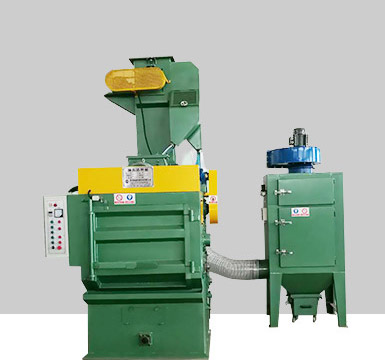
Model Structure: The machine's structure must match your workpiece. Common types include roller conveyor shot blasting machines for steel plates, hook types for irregular parts, and crawler types for small castings. Their design complexity varies significantly, directly affecting the overall cost.
2. Size and Capacity
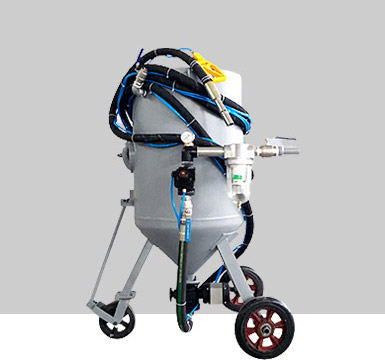
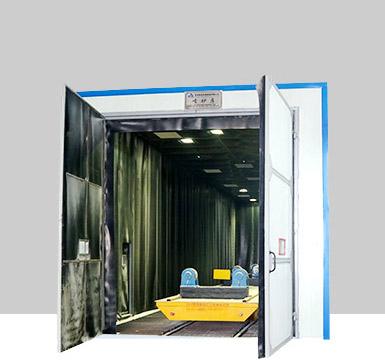
If your production involves large, heavy parts or requires extremely high throughput, you will need a larger blast cleaning system. This means higher material costs and complex engineering. For example, a heavy-duty shot blaster for shipyards will cost significantly more than a portable sand blasting machine used for small on-site repairs. The core is to exactly match your needs to avoid unnecessary waste.
3. Automation Level: Pay Now or Pay Later?
Automation is a major price driver.
Manual/Semi-Auto: Lower initial cost but higher labor reliance.
Fully Automated: An automatic shot blasting machine that integrates with your production line requires a higher initial investment. However, it significantly reduces long-term labor costs, eliminates human error, and ensures consistent finishes.
4. Investing in Quality Components
The final quote is influenced by technologies focused on longevity.
Energy-Saving Design: High-efficiency motors reduce power consumption.
Core Components: Choosing wear-resistant manganese steel guards and high-quality turbines extends the equipment's lifespan. Cheap machines often use inferior liners that wear out in months, whereas a quality industrial shot blasting machine is built to last.
5. Customization
Industry leaders often choose customized solutions because standardized equipment cannot meet their unique requirements (e.g., a specialized shot blast machine for concrete floors or complex automotive parts). While customization increases the initial price, it offers efficiency advantages that standard equipment cannot match.
FAQ
We know that pricing is opaque in this industry. Here are answers to the most common questions regarding costs.
Q1: How much does shotblasting cost?
The cost varies wildly based on the method and machine scale. Here is a general breakdown:
| Machine Type / Service | Estimated Cost Range | Typical Use Case |
|---|---|---|
| Small / Portable Machine | $3,000 – $10,000 | On-site repairs, small manual work |
| Standard Industrial Machine | $20,000 – $80,000 | Roller conveyor, Hook type, Tumble belt |
| Large Custom Line | $150,000+ | Shipyards, Automotive lines, Steel structures |
| Outsourced Service | Calculated by weight/area | One-off projects (Per ton or Per sqm) |
Note: Always request a detailed quote from shot blasting machine manufacturers to get accurate figures.
Q2: How much does it cost to shotblast concrete?
For shot blast machines for concrete floors:
Hiring a Service: Market rates often range between $0.50 to $2.50 per square foot, depending on the hardness of the concrete and the depth of the profile required (CSP level).
Purchasing Equipment: Walk-behind floor blasters typically cost between $8,000 and $30,000 depending on the blast width and motor power.
Q3: How much does blasting cost (Operational)?
Operational blasting costs are usually measured per hour or per square meter. The main variables are abrasive consumption (steel shot is reusable, reducing cost), electricity (turbine kw), and wear parts replacement. A highly efficient machine might run at $15-$30 per hour in direct operational costs (excluding labor), whereas inefficient machines consume more abrasive and power.
Q4: How to calculate shot blasting cost?
To calculate the True Cost of Ownership (TCO), use this formula:
Don't just look at the machine price tag. A machine that consumes 20% less abrasive can save you tens of thousands of dollars over 5 years.
What you need to know about shot blasting machine
Here are 4 more things you should know before buying.
1. What is the difference between a Shot Blasting Machine and a Sandblasting Machine?
This is the most common confusion.
Shot Blasting: Typically uses a centrifugal turbine (wheel) to throw steel shot or grit at the workpiece—it is a mechanical, high-efficiency process ideal for metal cleaning.
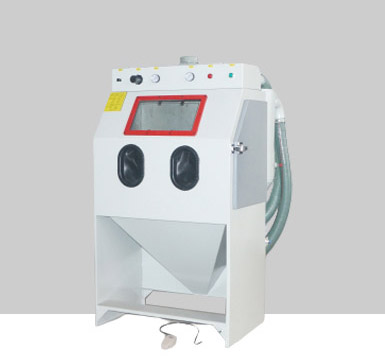
Sandblasting (Air Blasting): Uses compressed air to propel abrasive (like sand or glass beads) through a nozzle. Shot blasting is generally more efficient for industrial batch processing, while sandblasting is better for precise, targeted cleaning or portable work.
2. What are the "shot blasting machine used for" scenarios?
These machines are essential for:
Descaling and De-rusting: Cleaning metal sheets, pipes, and structures.
Deburring: Removing sharp edges from machined parts.
Surface Profiling: Creating a rough surface to ensure paint or coating adhesion.
Shot Peening: Increasing the fatigue strength of metal parts like gears and springs.
3. Which abrasive media should I use for my shot blaster?
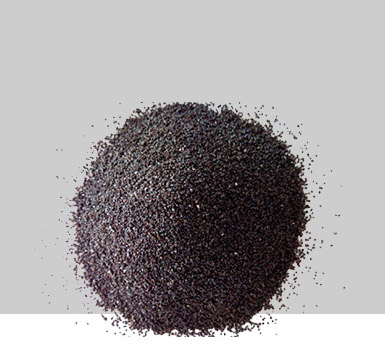
The choice depends on the material.Steel shot (round) is used for cleaning and peening (polishing effect). Steel grit (angular) is used for aggressive cleaning and etching (cutting effect). Using the wrong abrasive can damage both your parts and the machine, so consult your manufacturer.
4. How long does a shot blasting machine last?
A well-maintained industrial shot blasting machine can last 15 to 20 years. The key lies in regular maintenance—specifically, checking the liners, impellers, and control cage. Machines with high manganese steel liners (Mn13) offer significantly better durability than those using standard rubber or mild steel protection.
Need a precise quote for your project?
Our engineers will help you calculate the TCO and select the right machine to meet your budget.


Recommended Products

Structural Steel Shot Blasting machine

Angle Bar Shot Blast Equipment

Beam Shot Blasting Machine

Portable Shot Blasting Machine

Steel Pipe Shot Blasting Machine & Equipment

Steel Plate Shot Blasting Machine & Equipment

Roller Conveyor Shot Blasting Machine

TSD1527-1B hanger blast machine

TSX0508-4 Shot Blast Machine & Equipment

Tumble Shot Belt Blasting Machine