




what is a shot blaster?
In the realm of surface preparation and finishing, shot blasting has emerged as a pivotal technique for enhancing the durability and aesthetics of various materials. A shot blaster is a machine designed to propel abrasive materials, known as "shot," onto surfaces to clean, prepare, or finish them. This article delves into the intricacies of shot blasters, exploring their working principles, types, applications, and the advantages they offer across various industries.
What is a Shot Blaster?
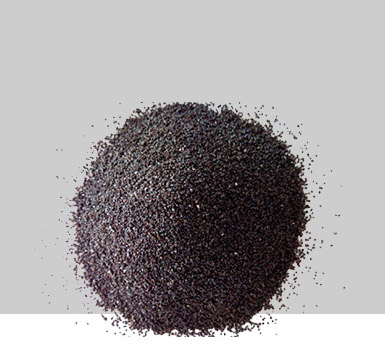
A shot blaster is an industrial machine that uses high-velocity abrasive materials to clean, smooth, or finish surfaces. The process involves projecting small steel or ceramic balls (shot) at a surface using centrifugal force or compressed air. This action helps remove contaminants, old coatings, rust, and other imperfections, ultimately preparing the surface for subsequent treatments like painting or coating.
Key Components of a Shot Blaster
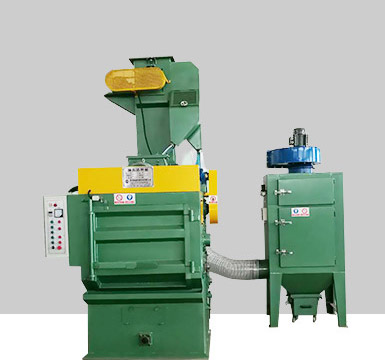
Hopper: This is where the abrasive shot is stored before being propelled. The hopper feeds the shot into the blasting system.
Blasting Wheel: In wheel blasters, the blasting wheel rotates at high speeds, flinging the shot outward through a nozzle. This component is critical for generating the necessary force for effective blasting.
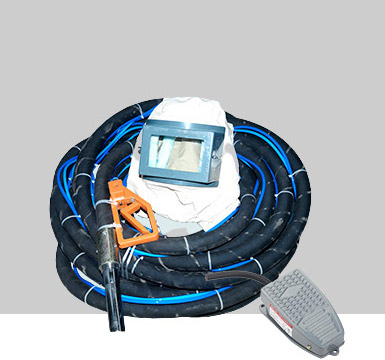
Nozzle: In air-powered systems, the nozzle directs the flow of the abrasive material onto the surface. The nozzle's design can influence the pattern and intensity of the blast.
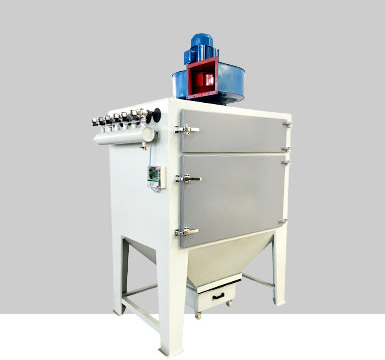
Dust Collection System: Effective dust collection is essential to maintain a clean working environment. This system helps capture airborne particles generated during the blasting process.
Control Panel: Modern shot blasters come equipped with control panels that allow operators to adjust settings such as blasting speed, pressure, and shot flow rate.
How Shot Blasters Work
The operation of a shot blaster varies slightly depending on the type, but the basic principles remain similar. Here’s a typical workflow:
Loading the Abrasive: The hopper is filled with the chosen abrasive shot.
Blasting Process:
Centrifugal Wheel Systems: The blasting wheel spins rapidly, launching the shot outward at high velocity. The centrifugal force creates a uniform blast pattern.
Air-Operated Systems: Compressed air is used to propel the shot through the nozzle onto the work surface.
Surface Interaction: The shot impacts the surface, removing contaminants and preparing it for further processing. The intensity and angle of the shot can be adjusted to achieve the desired finish.
Dust and Waste Management: The dust collection system captures debris, ensuring a safer and cleaner workspace.
Post-Blasting Inspection: After the blasting process, the surface is inspected for cleanliness and finish quality.

Types of Shot Blasters
Shot blasters come in various types, each suited for specific applications. The main types include:
1. Wheel Blasters
Wheel blasters utilize a spinning wheel to propel the shot. They are suitable for large-scale operations and can cover extensive areas quickly. Wheel blasters are commonly used in manufacturing settings, particularly for cleaning and finishing large metal parts.
2. Air Blasters
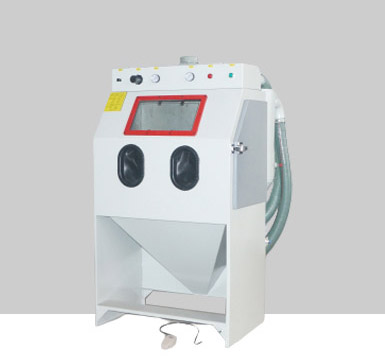
Air blasters rely on compressed air to propel the abrasive material. They are typically used for smaller jobs and offer flexibility in terms of mobility and application. Air blasters are ideal for delicate components and intricate surfaces where precision is crucial.
3. Portable Blasters
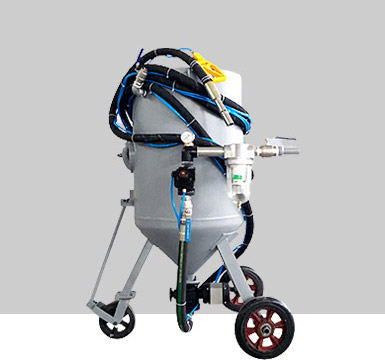
Portable shot blasters are smaller, mobile units designed for on-site applications. They are commonly used in construction and maintenance projects, allowing operators to reach difficult areas without relocating the entire blasting setup.
4. Automated Blasters
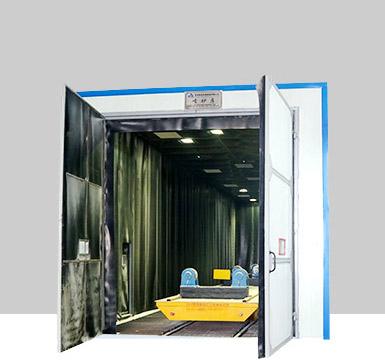
Automated shot blasting systems are integrated into production lines, allowing for continuous processing of materials. These systems are ideal for high-volume manufacturing environments, enhancing efficiency and consistency.
Applications of Shot Blasters
Shot blasting technology finds application across a wide range of industries, including:
1. Metal Fabrication
In metal fabrication, shot blasting is used to remove rust, scale, and old paint from metal surfaces. This process prepares the metal for welding, painting, or coating, ensuring better adhesion and finish quality.
2. Aerospace
The aerospace industry employs shot blasting for cleaning and finishing components like turbine blades and structural parts. The precision of shot blasting helps maintain the integrity and performance of critical aerospace components.
3. Automotive
In the automotive sector, shot blasting is used for cleaning engine components, removing surface imperfections, and preparing surfaces for coatings. This process enhances the appearance and longevity of automotive parts.
4. Construction
Shot blasting is commonly used in construction for surface preparation of concrete and steel structures. It helps remove contaminants, ensuring better bonding of coatings and improving the durability of structures.
5. Shipbuilding
In shipbuilding, shot blasting is essential for preparing metal surfaces, removing corrosion, and ensuring that coatings adhere properly. This process is crucial for maintaining the longevity and safety of vessels.
6. Mining and Heavy Equipment
Shot blasting is also employed in the mining industry for cleaning and maintaining heavy machinery. Removing dirt, grime, and corrosion ensures that equipment operates efficiently and extends its lifespan.
Advantages of Shot Blasting
The use of shot blasters offers several advantages:
1. Efficiency
Shot blasting is a fast and efficient method for surface preparation. The ability to cover large areas quickly reduces downtime and increases productivity.
2. Versatility
Shot blasters can be used on various materials, including metals, concrete, and plastics. This versatility makes them suitable for a wide range of applications across different industries.
3. Improved Surface Quality
The high-velocity impact of the shot creates a uniform surface finish, enhancing the appearance and performance of the treated materials. This is particularly important in industries where aesthetics and functionality are critical.
4. Environmental Benefits
Modern shot blasters are equipped with dust collection systems that minimize airborne particles, contributing to a cleaner working environment. Additionally, the use of recyclable abrasive materials supports sustainability initiatives.
5. Cost-Effectiveness
By reducing the need for chemical cleaners and manual labor, shot blasting can lower overall operational costs. The long-term durability of treated surfaces also minimizes the frequency of maintenance and repairs.
Shot blasters play a vital role in various industries by providing efficient and effective surface preparation solutions. With advancements in technology and ongoing innovations, shot blasting continues to evolve, offering enhanced capabilities and improved performance. As industries increasingly prioritize sustainability and efficiency, the demand for shot blasters is expected to grow, making them an essential tool in the modern manufacturing landscape. Understanding the principles, types, and applications of shot blasters can help businesses make informed decisions about their surface preparation needs, ultimately leading to improved product quality and operational efficiency.