



What is the best pot for sandblasting?
Sandblasting, also known as abrasive blasting, is a widely used technique for cleaning, stripping, and finishing surfaces by propelling abrasive materials at high speeds. The effectiveness of sandblasting largely depends on the equipment used, particularly the sandblasting pot. A sandblasting pot, also referred to as a blast pot or pressure vessel, is a critical component of the sandblasting system. It stores and pressurizes the abrasive material, which is then released through a nozzle to clean or etch surfaces. Choosing the best sandblasting pot for a specific application involves considering several factors, including the type of work, the abrasive material, and the desired efficiency and safety. This article will explore the key considerations and features that define the best sandblasting pot.
Understanding Sandblasting Pots
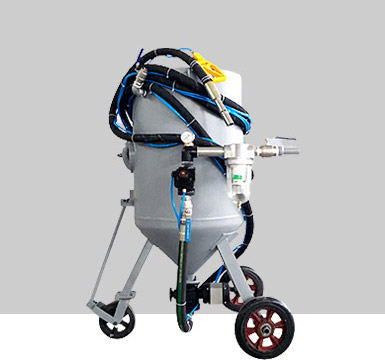
A sandblasting pot is essentially a pressure vessel designed to hold and deliver abrasive materials under high pressure. It is typically made from durable materials such as steel or stainless steel to withstand the rigors of abrasive blasting. The pot is connected to an air compressor, which provides the necessary pressure to propel the abrasive material through a hose and nozzle. The design and construction of the pot directly impact its performance, safety, and longevity.
Key Features of a High-Quality Sandblasting Pot
1. Material and Construction
The material used to construct a sandblasting pot is crucial for its durability and safety. Most pots are made from steel or stainless steel, with stainless steel being preferred for its corrosion resistance. Steel pots are generally more affordable but may rust over time, especially in humid environments or when using wet abrasives. Stainless steel pots, while more expensive, offer better resistance to rust and chemical corrosion, making them suitable for a wider range of applications.
The thickness of the pot's walls is another important factor. Thicker walls provide greater strength and durability, reducing the risk of rupture or failure under high pressure. However, they also add to the weight and cost of the pot. A well-constructed pot should have seamless welds and smooth interior surfaces to prevent abrasives from accumulating and causing wear or blockages.
2. Capacity
The capacity of a sandblasting pot determines how much abrasive material it can hold. Pots come in various sizes, ranging from small, portable units that hold a few gallons to large, stationary tanks that can hold hundreds of gallons. The best pot size depends on the specific application and the frequency of use.
For small-scale projects or occasional use, a portable pot with a capacity of 10 to 20 gallons may be sufficient. These pots are easy to move around and refill, making them ideal for tasks such as automotive restoration or small surface preparation jobs. For larger, more frequent applications, such as industrial cleaning or large-scale surface preparation, a larger pot with a capacity of 50 gallons or more is more efficient. Larger pots require less frequent refilling, which can save time and increase productivity.
3. Pressure Control
Effective pressure control is essential for achieving consistent and efficient sandblasting results. The best sandblasting pots come equipped with reliable pressure regulators and gauges that allow the operator to adjust and monitor the pressure accurately. Proper pressure control ensures that the abrasive material is delivered at the optimal speed for the task, preventing damage to delicate surfaces or insufficient cleaning.
Some pots also feature built-in pressure relief valves, which provide an additional layer of safety by releasing excess pressure if it exceeds a certain threshold. This prevents the pot from over-pressurizing and reduces the risk of accidents or equipment damage.
4. Abrasive Compatibility
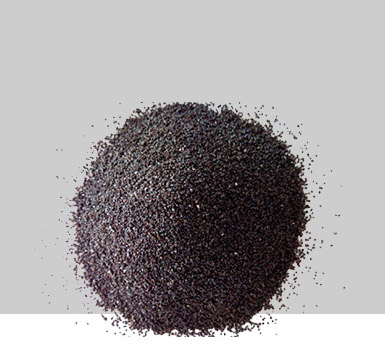
Different sandblasting applications require different types of abrasive materials, such as sand, glass beads, steel shot, or walnut shells. The best sandblasting pot should be compatible with a variety of abrasives to ensure versatility and flexibility in use. Some pots are designed specifically for certain types of abrasives, such as wet or fine-grit materials, while others can handle a broader range.
For example, a pot with a smooth interior surface is better suited for fine abrasives like glass beads, as it prevents the material from accumulating and clogging. On the other hand, a pot with a rougher interior may be more suitable for coarser abrasives like sand or steel shot. Additionally, some pots come with interchangeable liners that can be swapped out depending on the type of abrasive being used. This feature allows for greater flexibility and ensures that the pot remains in optimal condition for each application.
5. Portability and Ease of Use
The portability of a sandblasting pot is an important consideration, especially for applications that require the equipment to be moved frequently. Portable pots are typically smaller and come with wheels or handles for easy maneuverability. They are ideal for automotive, marine, and small-scale industrial applications where the pot needs to be transported to different locations.
However, portability often comes at the expense of capacity and stability. Larger, stationary pots are more stable and can hold more abrasive material, making them better suited for large-scale industrial applications. The best sandblasting pot strikes a balance between portability and capacity, depending on the specific needs of the user.
Ease of use is another critical factor. The pot should be easy to fill, empty, and clean. Some pots come with removable lids or hatches that make filling and cleaning more convenient. Others feature built-in agitators that help to mix the abrasive material evenly and prevent clogging. Additionally, the pot should be easy to connect to the air compressor and blast hose, with clear instructions and user-friendly fittings.
6. Safety Features
Safety is paramount when using a sandblasting pot, as the equipment operates under high pressure and involves abrasive materials. The best pots come with several safety features to protect the operator and prevent accidents.
One essential safety feature is a lockable lid or hatch that ensures the pot remains securely closed during operation. This prevents the accidental release of abrasive material or pressurized air. Another important feature is a pressure gauge that allows the operator to monitor the pressure inside the pot continuously. Excessive pressure can lead to equipment failure or accidents, so a reliable gauge is crucial.
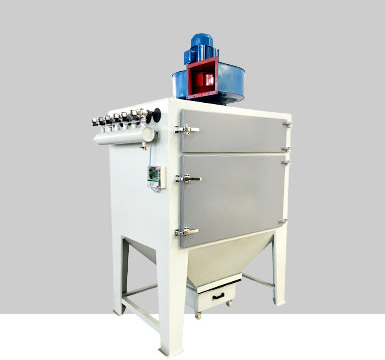
Some pots also include safety interlocks that prevent the pot from being pressurized unless the lid is securely closed. This feature adds an extra layer of protection against accidental pressurization and ensures that the pot is safe to use. Additionally, proper ventilation and dust collection systems should be used in conjunction with the sandblasting pot to minimize the risk of inhaling abrasive particles, which can be harmful to health.
Types of Sandblasting Pots
There are several types of sandblasting pots, each designed for specific applications and environments. Understanding the differences between these types can help in selecting the best pot for a particular job.
1. Portable Sandblasting Pots
Portable pots are designed for ease of movement and are ideal for small-scale applications. They typically have a capacity of 10 to 20 gallons and come with wheels or handles for easy maneuverability. These pots are perfect for automotive restoration, small surface preparation jobs, and other tasks that require the equipment to be moved frequently.
Portable pots are often made from steel or stainless steel, with stainless steel being preferred for its corrosion resistance. They feature removable lids or hatches for easy filling and cleaning and come with built-in pressure regulators and gauges for accurate pressure control. Some portable pots also include built-in agitators to ensure even mixing of the abrasive material.
2. Stationary Sandblasting Pots
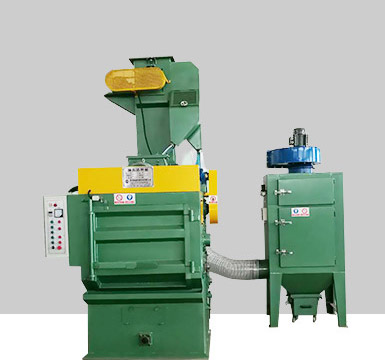
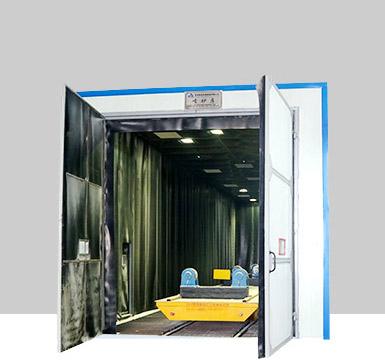
Stationary pots are larger and more robust than portable pots, making them suitable for large-scale industrial applications. They typically have a capacity of 50 gallons or more and are designed to remain in a fixed location. These pots are ideal for heavy-duty tasks such as large surface preparation, industrial cleaning, and structural maintenance.
Stationary pots are usually made from thick steel or stainless steel to withstand the rigors of continuous use. They feature large hatches or openings for easy filling and cleaning and come with advanced pressure control systems and safety features. Some stationary pots also include built-in dust collection systems to minimize the release of abrasive particles into the environment.
3. Wet Sandblasting Pots
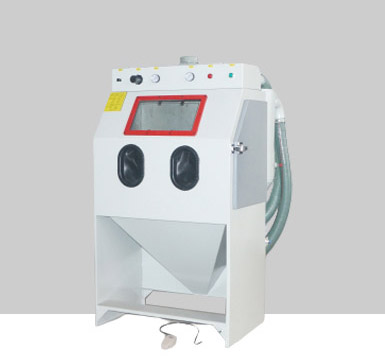
Wet sandblasting pots are designed specifically for wet blasting applications, where water is mixed with the abrasive material to create a slurry. This type of pot is ideal for delicate tasks such as stripping paint from wood, cleaning delicate surfaces, and removing rust without damaging the underlying material.
Wet pots typically have a capacity of 10 to 20 gallons and come with a mixing chamber where water and abrasive material are combined. The pot is designed to maintain a consistent slurry mixture and deliver it at the optimal pressure for the task. Wet pots are often made from stainless steel to prevent rust and chemical corrosion and feature removable lids and easy-to-clean interiors.
4. Siphon Sandblasting Pots
Siphon pots are a type of portable sandblasting pot that uses a siphon system to draw the abrasive material from the pot into the blast hose. This type of pot is ideal for small-scale applications and is often used in automotive restoration and hobbyist projects.
Siphon pots are relatively easy to use and require less maintenance than other types of pots. They typically have a capacity of 10 to 20 gallons and come with a simple pressure regulator and gauge for basic pressure control. The siphon system eliminates the need for a complex internal mechanism, making the pot more affordable and easier to clean.
Factors to Consider When Choosing a Sandblasting Pot
Selecting the best sandblasting pot for a specific application involves considering several factors, including the type of work, the abrasive material, the desired efficiency,