



What is the wet blasting method?
Wet blasting, also known as vapor blasting or slurry blasting, is an industrial surface treatment method that involves propelling a mixture of water, abrasive media, and compressed air onto a surface to achieve various cleaning, finishing, or preparation effects.
Principle of Operation
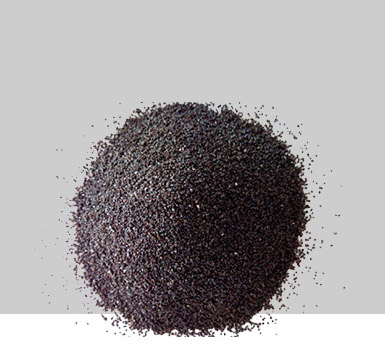
The core principle of wet blasting is the creation of a slurry, which is a mixture of water and abrasive particles such as sand, glass beads, or plastic media. This slurry is then pressurized and sprayed onto the target surface through a nozzle. The water in the slurry acts as a cushion, reducing the impact force of the abrasive particles and minimizing the risk of surface damage. This method is particularly effective for delicate surfaces that could be damaged by traditional dry blasting techniques.
Advantages
Wet blasting offers several advantages over dry blasting methods:
1. Reduced Surface Damage: The water in the slurry absorbs some of the impact energy, protecting the surface from excessive wear and tear.
2. Dust Suppression: Unlike dry blasting, which generates significant dust, wet blasting produces minimal dust, making it safer for operators and the environment.
3. Enhanced Cleaning and Finishing: Wet blasting can effectively remove contaminants, rust, and paint while leaving a smooth, uniform finish.
4. Reduced Media Embedment: The water helps to prevent abrasive particles from embedding into the surface, which can be a problem with dry blasting.
5. Versatility: Wet blasting can be used on a wide range of materials, including metals, plastics, and composites.

Applications
Wet blasting is used in various industries for different purposes:
- Automotive: For deburring and finishing engine parts, removing burrs from transmission components, and preparing surfaces for coating.
- Aviation: For cleaning and preparing turbine blades and other components without damaging the surface.
- Marine: For cleaning and restoring marine engines and parts.
- Medical: For finishing medical implants and instruments to ensure a smooth, clean surface.
- Electronics: For cleaning circuit boards and semiconductor tooling without generating heat or static.
- Environmental Remediation: For removing hazardous materials like lead and asbestos from surfaces.
Equipment and Process
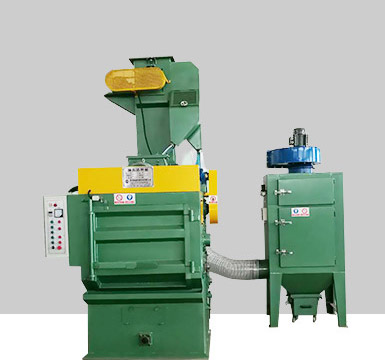
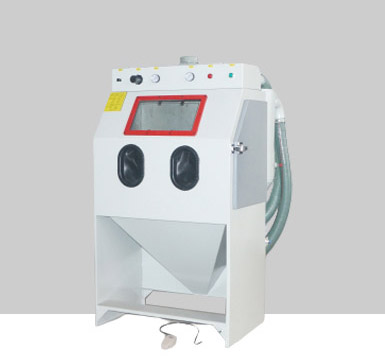
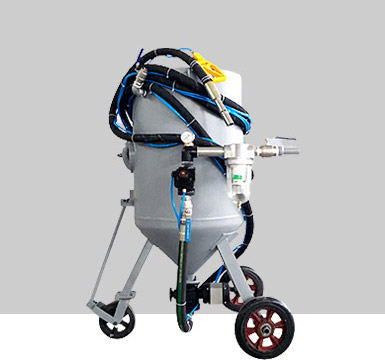
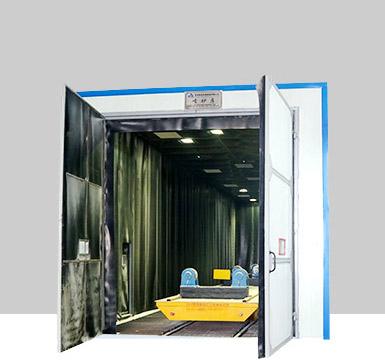
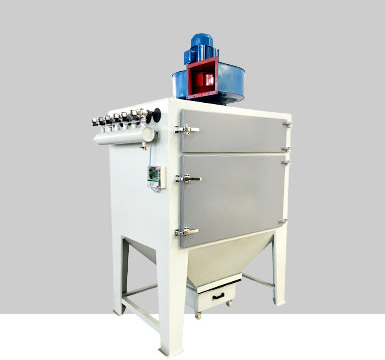
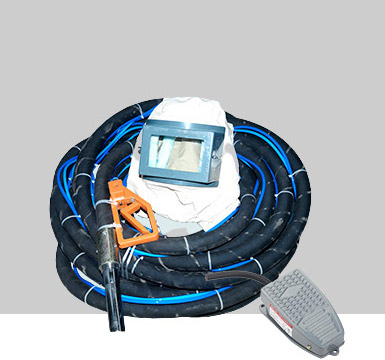
Wet blasting equipment typically includes a blast cabinet, a pressure pot, a nozzle, and a water recycling system. The process can be automated or manual, depending on the application and production requirements. The choice of abrasive media and water-to-media ratio can be adjusted to achieve the desired surface finish.
Environmental Considerations
Wet blasting is considered a more environmentally friendly option compared to traditional dry blasting methods. The reduction in dust and the ability to recycle water and abrasive media make it a sustainable choice for many industries.
Wet blasting is a versatile and efficient surface treatment method that offers numerous benefits, including reduced surface damage, dust suppression, and enhanced cleaning capabilities. Its wide range of applications and environmental advantages make it a preferred choice in many industrial settings.