




What is the process of vapor blasting
Vapor blasting, also known as wet blasting or slurry blasting, is a surface preparation technique that combines the benefits of traditional abrasive blasting with the advantages of using water. This method is becoming increasingly popular in various industries, including automotive, aerospace, and manufacturing, due to its effectiveness in cleaning and finishing surfaces without causing damage. This article will explore the process of vapor blasting, its components, benefits, applications, and considerations.
What is Vapor Blasting?
Vapor blasting is a method that utilizes a mixture of water, abrasive media, and compressed air to clean and prepare surfaces. Unlike dry blasting, which can create dust and lead to surface damage, vapor blasting uses water to minimize dust and reduce the impact of the abrasives on the material being treated. The result is a smoother surface finish with less risk of warping or etching.
The Components of a Vapor Blasting System
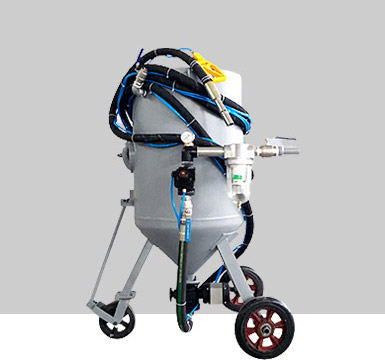
Blast Pot: The blast pot is the central component of the vapor blasting system. It holds the abrasive media and water mixture. The pot is designed to withstand high pressure and allows for the controlled release of the mixture during the blasting process.
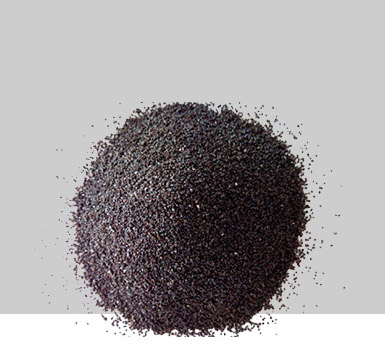
Abrasive Media: Commonly used abrasive materials include glass beads, aluminum oxide, and garnet. The choice of media depends on the desired surface finish and the material being treated. The media is mixed with water in the blast pot to create a slurry.
Compressor: A high-pressure air compressor provides the necessary air supply to propel the water and abrasive mixture from the blast pot to the spray nozzle. The compressor must be capable of delivering a consistent air flow to maintain effective blasting.
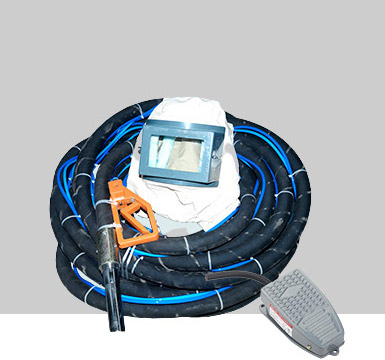
Hoses and Nozzles: Hoses transport the mixture from the blast pot to the nozzle, where it is expelled onto the surface. The nozzle design affects the spray pattern and pressure, allowing operators to adjust the intensity of the blast.
Water Source: A clean water source is essential for maintaining the proper mixture of water and abrasive media. The water helps to control dust and improves the overall effectiveness of the blasting process.
Control Panel: The control panel allows operators to adjust settings such as air pressure, water flow, and media feed rate. This ensures optimal performance and adaptability to different surfaces and applications.
The Vapor Blasting Process
The vapor blasting process involves several key steps:
1. Preparation
Before starting the vapor blasting process, the surface to be treated should be prepared. This may involve removing any loose debris, grease, or contaminants to ensure an effective blast. Proper preparation can significantly enhance the results.
2. Mixing
The abrasive media is added to the blast pot, followed by the appropriate amount of water. The mixture is stirred to ensure a uniform consistency, which is critical for achieving optimal performance during blasting.
3. Setting Up the Equipment
Once the mixture is ready, the operator sets up the equipment by connecting the hoses and ensuring that the compressor and control panel are functioning correctly. The nozzle is also positioned at the desired distance from the surface to be treated.
4. Blasting
With everything set up, the operator initiates the blasting process. Compressed air is introduced into the blast pot, propelling the water and abrasive mixture through the nozzle onto the surface. The operator moves the nozzle in a controlled manner, covering the entire surface evenly.
5. Finishing
After the blasting is complete, the surface is inspected for quality. Any remaining residue or media can be rinsed off with water. The result is a clean, smooth surface ready for further processing, such as painting, coating, or assembly.

Benefits of Vapor Blasting
Vapor blasting offers several advantages over traditional dry blasting methods:
Reduced Dust: The use of water significantly reduces dust generation, creating a cleaner working environment and minimizing respiratory hazards for operators.
Smoother Finish: Vapor blasting produces a finer, smoother surface finish compared to dry blasting, which can be especially beneficial for applications requiring a high-quality aesthetic or functional finish.
Less Material Removal: The combination of water and abrasive media minimizes the risk of material removal, reducing the likelihood of damaging delicate surfaces or components.
Versatility: Vapor blasting can be used on a wide range of materials, including metals, plastics, and composites, making it suitable for various industries.
Environmentally Friendly: The reduced dust and waste produced by vapor blasting contribute to a more environmentally friendly process, as fewer harmful particles are released into the air.
Applications of Vapor Blasting
Vapor blasting is utilized in various industries for a multitude of applications:
1. Automotive Industry
In the automotive sector, vapor blasting is often used for cleaning and finishing engine components, aluminum parts, and other delicate surfaces. It is effective in removing oil, grease, and carbon deposits without damaging the underlying material.
2. Aerospace
Aerospace components require exceptional surface finishes to ensure performance and safety. Vapor blasting is used to prepare surfaces for coatings and to clean parts without altering their dimensions or properties.
3. Manufacturing
In manufacturing, vapor blasting is employed for surface preparation prior to painting, coating, or assembly. It improves adhesion and enhances the overall quality of the finished product.
4. Restoration
For restoration projects, such as classic cars or historical artifacts, vapor blasting is an ideal method for cleaning and preserving delicate surfaces. It effectively removes paint, rust, and contaminants without causing damage.
5. Medical Devices
Vapor blasting is also used in the medical device industry for cleaning and finishing components. The process ensures that surfaces are free of contaminants and ready for sterilization.
Considerations and Best Practices
While vapor blasting is a highly effective method, there are several considerations and best practices to keep in mind:
Material Compatibility: Ensure that the abrasive media and water mixture is compatible with the material being treated to prevent damage.
Operator Training: Proper training for operators is essential to ensure safe and effective use of vapor blasting equipment.
Regular Maintenance: Regular maintenance of the vapor blasting system, including the blast pot, hoses, and nozzles, is crucial for optimal performance and longevity.
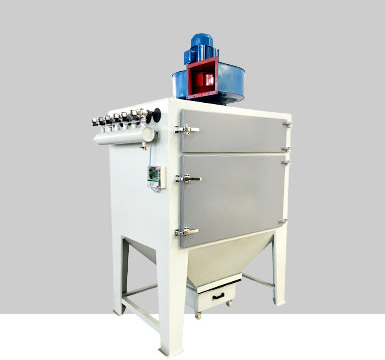
Environmental Controls: Implementing environmental controls, such as proper ventilation and dust collection systems, can further enhance safety and reduce exposure to airborne contaminants.
Quality Control: Establishing quality control measures, including surface inspections and testing, can help ensure consistent results and maintain high standards.
Vapor blasting is a versatile and effective surface preparation technique that offers numerous benefits over traditional blasting methods. With its ability to reduce dust, provide a smoother finish, and minimize material removal, vapor blasting is becoming a preferred choice in various industries. By understanding the process and adhering to best practices, businesses can leverage this technology to achieve high-quality results while ensuring the safety and satisfaction of their operators and clients. As industries continue to evolve, vapor blasting will likely play an increasingly important role in surface preparation and finishing applications.