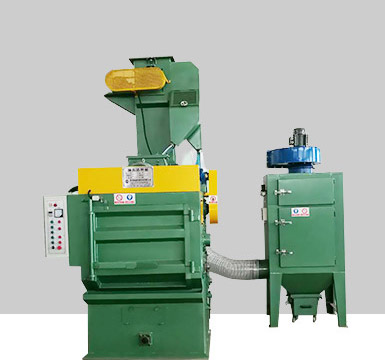
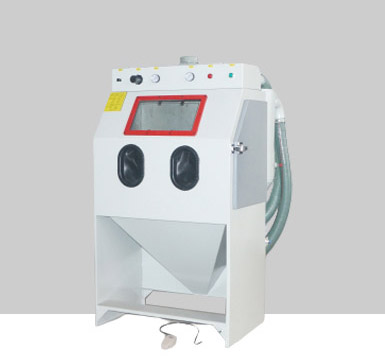
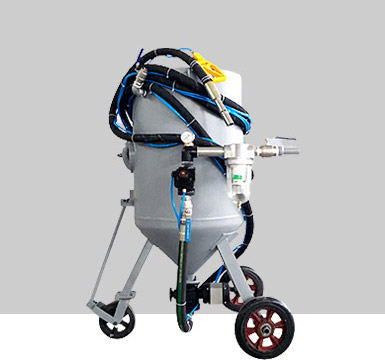




What is a vapor blast cabinet?
What Is a Vapor Blast Cabinet? A Complete Guide to Wet Blasting Systems
What Is Vapor Blasting?
An industrial vapor blast cabinet is a closed-loop surface finishing system that mixes abrasive media, water, and compressed air to clean, degrease, polish, and restore metal components. As a precision alternative to dry blasting, this vapor blaster machine suppresses nearly all airborne dust and delivers a gentler, more uniform surface result for high-value industrial parts.
This equipment is also referred to as a wet blasting cabinet, liquid honing cabinet, or slurry blasting cabinet. It is an industry-standard solution for high-precision sectors including aerospace engineering, automotive restoration, medical device manufacturing, and precision metal fabrication where surface integrity and dimensional tolerance are critical.
Compared with conventional dry sandblasting, vapor blasting produces a smoother, more consistent satin finish. The water layer cushions abrasive impact, extends media service life, and prevents frictional heat buildup on delicate components. These benefits make it the preferred method for modern manufacturing and high-value restoration work.
How Does a Vapor Blast Cabinet Work?
Inside the cabinet, water and abrasive media (such as glass beads) are continuously agitated in a sump to form a uniform, recirculating slurry. Agitation is typically performed via compressed air sparging to prevent media from settling.

High-pressure compressed air enters the blast gun and creates a Venturi effect, which draws the agitated slurry through the delivery hose and accelerates it out of the nozzle at high velocity. The full process follows a closed-loop sequence:
Cabinet Preparation: Fill the machine sump with clean water and a calculated weight of abrasive media based on sump volume.
Slurry Agitation: The system mixes media and water into a homogeneous slurry to prevent settling and ensure consistent blast output.
Delivery and Pressurization: The operator activates a foot pedal to release compressed air, which accelerates the slurry through the wet blasting gun.
Surface Impact (Blasting): High-velocity slurry strikes the workpiece surface, performing simultaneous cleaning and finishing through a controlled scouring action.
Flushing and Rinsing: A built-in fresh water rinse system washes away loose debris and residual slurry from the finished part.
Filtration and Recirculation: Used slurry drains back into the sump. Advanced systems use closed-loop filtration to remove broken media, grease, and contaminants, then recirculate clean slurry back to the blast gun.
Vapor Blasting vs Dry Sandblasting
Both processes use abrasives and compressed air, but the addition of water fundamentally changes the blasting action, surface result, and suitable applications.
Dry Sandblasting
Higher material removal speed, lower energy consumption, and lower upfront equipment cost.
Works best with abrasives coarser than 200 mesh; fine abrasives cause unstable flow and clogging.
Required for workpieces that cannot come into contact with water.
Explosion-proof upgrades are required when blasting reactive materials such as zinc-magnesium alloys, titanium, and aluminum.
Cannot process oily or wet parts, as moisture causes abrasive clumping and nozzle blockage.
Vapor Blasting (Wet Blasting)
Produces a finer, more uniform finish and can process workpieces with oil or moisture contamination.
Supports abrasives from 80 mesh up to 4000 mesh, including ultra-fine polishing media.
Handles ultra-fine particles down to 3 microns that cannot be reliably projected by dry blasting, enabling precision treatment with minimal workpiece damage.
Requires wastewater management and filtration for long-term operation.
Suppresses dust and reduces explosion risk for reactive materials such as zinc-magnesium alloys and titanium.
Vapor blasting is particularly well suited for sensitive materials including aluminum, stainless steel, titanium, and brass alloys, as well as precision-machined parts with tight tolerances. With properly calibrated parameters, it is safe for thin-walled and heat-sensitive components without altering critical dimensions.
Key Advantages of Vapor Blast Cabinets
Ultra-Fine Abrasive Capability: Supports media from 600 to 1200 mesh and finer, achieving surface roughness as low as Ra 0.8 μm, making it ideal for precision surface treatment and delicate components.
One-Step Cleaning and Degreasing: Removes oil, grease, and machining residues in a single process without a separate degreasing step, reducing total processing time by up to 40%.
Dust-Free Operation: Closed-loop water-based design reduces airborne dust by over 95% compared to dry blasting, creating a cleaner, safer working environment.
Low Noise and Simple Maintenance: Enclosed chamber reduces operating noise to below 75 dB; the system has few moving parts and a low failure rate.
Gentle, High-Quality Finishing: Water cushioning reduces surface impact damage and produces a smooth, uniform satin finish with consistent batch-to-batch results.
Corrosion-Resistant Build: Cabinets are typically constructed from stainless steel or fiberglass-reinforced materials, delivering 2–3x longer service life in wet abrasive environments.
Common Industrial Applications
Automotive and Motorcycle Restoration
Vapor blasting is the standard method for restoring vintage automotive and motorcycle parts. It safely cleans engine blocks, aluminum cylinder heads, carburetors, gearbox housings, and wheel hubs, restoring a uniform clean surface without removing base metal or damaging precision mating surfaces and threads.
Aerospace Component Maintenance
In aerospace MRO (Maintenance, Repair, and Overhaul), vapor blasting performs non-destructive cleaning on turbine blades, landing gear components, and complex engine parts. It safely removes oxidation, hot corrosion, and thermal barrier coatings while maintaining strict dimensional tolerances.
Medical Equipment Manufacturing
Manufacturers of orthopedic implants, surgical instruments, and medical devices use wet blasting systems to create ultra-clean, consistent surfaces. The process removes surface contaminants and improves cleanliness for subsequent marking, coating, and biocompatibility validation.
Tooling, Die, and Mold Cleaning
Plastic injection molds, extrusion dies, and forging tools accumulate polymer residues and carbon deposits over time. Vapor blast cabinets clean these high-value tools gently, preserving sharp edges and complex geometries without aggressive material removal.
Precision Machining and Fabrication
CNC machine shops use slurry blasting to deburr complex parts, blend tool marks, and prepare surfaces for plating, anodizing, or high-performance coatings, ensuring strong and uniform coating adhesion.
What Abrasive Media Is Best for Vapor Blasting?
Because water acts as a buffer, media performance in wet blasting differs significantly from dry sandblasting. Selecting the right media balances processing speed, finish quality, and media lifespan. Below is an engineering-grade overview of common options:
For optimal results, match media hardness and size to your workpiece material and target surface roughness. As a general guideline, softer materials like aluminum use finer, spherical media; harder materials like cast iron can use coarser, angular media for faster cleaning.
Common Mistakes (and Fixes) for Vapor Blasting
Poor blasting results often stem from adjustable setup errors rather than equipment defects. Below are the common mistakes and their corrective actions for vapor blasting:
Incorrect Slurry Ratio (Over or Underloading)
Problem: Excessive media clogs the polyurethane slurry pump and causes violent pulsing; insufficient media lengthens processing cycles unnecessarily.
Fix: Follow the manufacturer's recommended media-to-water ratio (typically 10–20% media by volume). Add media gradually and test the blast pattern before full production runs.Excessive Compressed Air Pressure
Problem: Running pressure too high overrides the water cushioning effect, shattering media prematurely, dulling the satin finish, and altering dimensions on soft workpieces.
Fix: Operate between 60–80 PSI for most applications. Start at 50 PSI for soft aluminum and thin-walled parts, then increase only if cleaning speed is insufficient.Poor Filtration and Waste Maintenance
Problem: Infrequent filter cleaning allows broken media dust and heavy contaminants to recirculate, turning a smooth satin finish into a hazy, contaminated grey appearance.
Fix: Clean settling filters after every 8–16 hours of operation. Drain and refresh sump water fully when visible discoloration appears.Cross-Contaminating Media Batches
Problem: Processing greasy ferrous parts and clean aerospace aluminum in the same slurry can embed iron particles into aluminum surfaces, leading to galvanic corrosion later.
Fix: Dedicate separate slurry batches for ferrous and non-ferrous work. Perform a full sump cleanout when switching between dissimilar material families.
Real-World Vapor Blasting Project Case
Precision Aluminum Component Finishing for Dubai Engineering Client
A precision engineering client in Dubai, UAE, required a surface treatment solution for high-tolerance aluminum machined parts. Their goal was a uniform satin finish without dimensional deviation, using glass bead media for consistent batch quality.
After technical consultation, they selected our TS1010W Wet Blasting Machine configured with a 6mm nozzle and polyurethane slurry pump. The recommended process parameters were:
Media: 120–150 mesh soda-lime glass beads
Operating pressure: 65 PSI
Slurry concentration: ~15% media by volume
Processing cycle: 2–3 minutes per part batch
The system delivered a consistent Ra 1.2–1.6 μm satin finish across all production parts, with zero dimensional change measured on critical mating surfaces. The closed-loop filtration reduced media consumption by approximately 30% compared to the client's previous dry blasting setup.

How to Choose the Right Vapor Blast Cabinet
Choosing the right vapor blast cabinet depends on your production requirements. Our engineers evaluate the following five factors when recommending a configuration:
1. Cabinet Size and Work Envelope
Internal dimensions must accommodate your largest workpiece and leave sufficient room to maneuver the blast gun at multiple angles. Consider door style (side-loading or front-opening clamshell) for safe and convenient loading.
2. Workpiece Weight and Handling
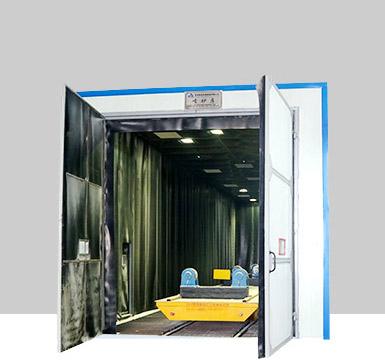
For heavy parts such as large engine blocks or industrial molds, a cabinet with a heavy-duty turntable or roll-in cart track is essential. A roof slot for overhead crane loading improves safety and efficiency for large, heavy workpieces.
3. Slurry Pump Type for Vapor Blast Cabinets
The pump is the core of a wet blast machine. Entry-level systems may use air agitation. For consistent industrial production, choose a durable, wear-resistant polyurethane centrifugal slurry pump that delivers smooth, continuous media flow without pulsing.
4. Automation Options for High-Volume Production
Manual cabinets may become a bottleneck for high-volume continuous production. Automated options include indexing turntables, tumble blast machines, and robotic arm integration to ensure repeatable finishes with minimal labor input.
5. Closed-Loop Filtration and Wastewater Management
Advanced cabinets integrate hydro-cyclone separators, settling tanks, and closed-loop filters to separate clean water from broken media and sludge, reducing environmental impact and lowering water and media consumption costs.
Air Compressor Requirements for Vapor Blasting
Unlike dry blasting, which only propels dry grit, vapor blasting must accelerate a dense water-abrasive slurry. Insufficient air volume (CFM) or excessive pressure drop causes pulsing, inconsistent spray, and an uneven surface finish.
For stable, fine spray output, the air compressor must be matched to the blast nozzle orifice size. At a standard operating pressure of 60–80 PSI, recommended air consumption is as follows:
As a best practice, size your compressor to provide 20–30% more CFM than the nominal nozzle requirement to account for line pressure drops and simultaneous auxiliary equipment use. Always install a high-efficiency moisture separator and air dryer: oil or water slugs from the compressor can damage blast valve seals, alter slurry velocity, and cause uneven surface finishing.
Why Choose TS Blasting Vapor Blast Cabinets
TS Blasting is a specialized industrial surface treatment equipment manufacturer founded in 2007. We control the full design and manufacturing lifecycle, from engineering to final testing, to deliver reliable, long-lasting vapor blasting systems.
Nearly 20 Years of Specialized Expertise: Focused on blasting physics and surface finishing engineering since 2007, with 13+ product patents and a 10,000㎡ production facility.
Industrial-Grade Polyurethane Slurry Pumps: Thick wear-resistant liners deliver 3x longer service life than standard pumps, ensuring stable continuous media flow without pulsing.
Tailored Configuration Options: Custom cabinet dimensions, turntables, and automation setups to fit oversized workpieces, unique part shapes, and specific production requirements.
Rigorous 72-Hour Factory Testing: Every unit undergoes 30+ quality inspections and a 72-hour continuous aging test before shipment to verify pump and seal reliability.
Global Technical & After-Sales Support: Direct access to engineers for troubleshooting, plus a large spare parts inventory to minimize equipment downtime for customers in 30+ countries.
Frequently Asked Questions
What abrasive media can be used in a vapor blast cabinet?
Common options include glass beads, ceramic beads, aluminum oxide, and specialty polishing media. The optimal choice depends on your workpiece material, cleaning intensity, and desired surface finish.
Is vapor blasting better than sandblasting?
For precision finishing, cosmetic restoration, and dust-sensitive environments, vapor blasting often provides a smoother, cleaner finish while preserving critical tolerances. Dry sandblasting remains more cost-effective for heavy rust removal and high-volume, rough preparation work.
Can vapor blasting remove rust?
Yes. Vapor blasting effectively removes heavy oxidation, deep rust scale, and stubborn surface contamination from raw metal parts. For heavy rust, angular media such as aluminum oxide is recommended over spherical glass beads.
Does vapor blasting damage aluminum?
No. When properly configured with appropriate pressure and media, vapor blasting is one of the safest surface preparation methods for aluminum components because the water cushion softens media impact and prevents excessive material removal.
How long does abrasive media last in a vapor blast cabinet?
Media lifespan depends on material and operating pressure. Glass beads typically last 20–40 blast hours; harder ceramic beads can last 3–5 times longer. Proper filtration and avoiding excessive pressure significantly extend service life.
Does vapor blasting require wastewater treatment?
Yes. Closed-loop systems recirculate most water, but periodic sludge discharge and water replacement are required. Depending on local regulations, you may need settling tanks, filtration, or an oil-water separator before discharging wastewater.
How often should I maintain a vapor blast cabinet?
Daily: inspect nozzle wear and rinse filters. Weekly: clean the settling tank and check pump seals. Monthly: inspect hoses, gloves, and window shields for wear. Full sump cleaning and water replacement are recommended every 4–8 weeks depending on usage.
How much does a vapor blast cabinet cost?
Pricing depends on cabinet size, pump configuration, automation level, and optional features. Entry-level manual cabinets start at a few thousand dollars, while large automated production systems require a custom quote. Contact our engineering team for a configuration and price matched to your requirements.
About This Guide
Need a custom vapor blasting solution for your production line? Talk to our engineering team for a tailored recommendation.