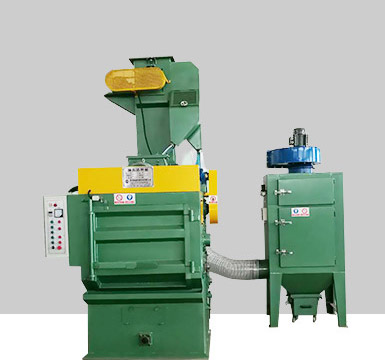
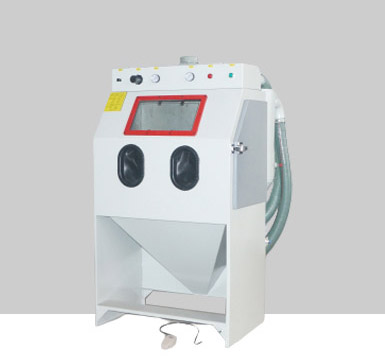
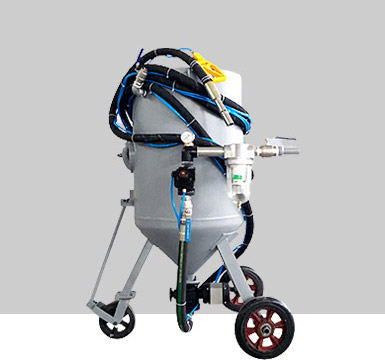
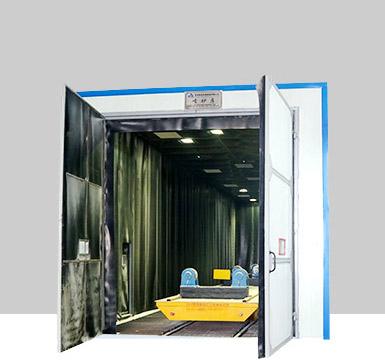





What is vapor blasting machine?
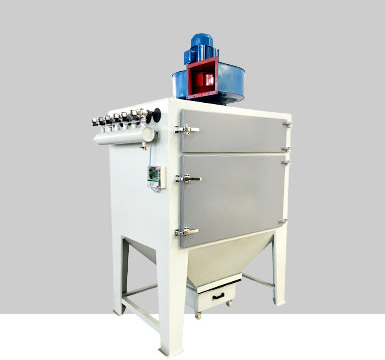
A vapor blasting machine, also known as wet blasting or slurry blasting machine, is a specialized equipment used in surface preparation and finishing processes. It utilizes a combination of water, abrasive media, and compressed air to achieve a variety of surface treatments. This method is especially popular in industries such as automotive, aerospace, and manufacturing, where precision and quality are paramount.
How Vapor Blasting Works
The vapor blasting process involves the following key components:
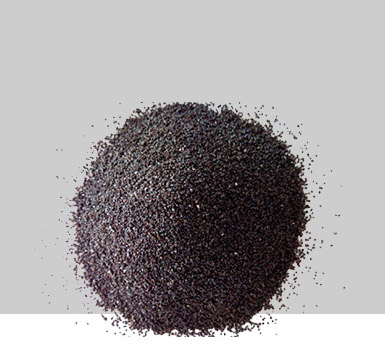
Abrasive Media: Common media used in vapor blasting include glass beads, aluminum oxide, and garnet. These materials are selected based on the desired finish and the substrate being treated.
Water: Water is mixed with the abrasive media to create a slurry. This mixture helps to minimize dust and provides a cooling effect during the blasting process, reducing the risk of heat damage to the workpiece.
Compressed Air: Compressed air is utilized to propel the slurry mixture onto the surface of the workpiece. The combination of high pressure and the wet mixture allows for effective cleaning, deburring, and surface preparation.
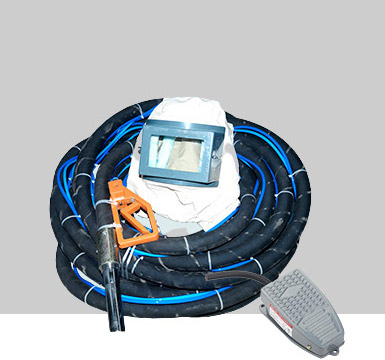
Blast Nozzle: The vapor blasting machine is equipped with a blast nozzle that controls the flow and direction of the slurry. This allows for precise application and targeting of specific areas on the workpiece.
Applications of Vapor Blasting
Vapor blasting is widely used for various applications, including:
Surface Preparation: vapor blasting machine effectively removes contaminants, rust, and old coatings from metal surfaces, preparing them for painting, plating, or welding.
Aesthetic Finishing: Vapor blasting achieves a smooth, satin finish on surfaces, making it ideal for cosmetic applications in industries like automotive and aerospace.
Deburring: The method is effective in removing sharp edges and burrs from machined parts, improving safety and functionality.
Cleaning: Vapor blasting is an efficient cleaning method for intricate parts, such as those found in engines or machinery, where traditional cleaning methods may be ineffective.
Advantages of Vapor Blasting
Reduced Dust: The use of water in the blasting process minimizes airborne dust, creating a cleaner work environment and improving visibility.
Cooling Effect: The water helps dissipate heat generated during blasting, reducing the risk of thermal damage to sensitive components.
Versatility: Vapor blasting can be used on a wide range of materials, including metals, plastics, and composites, making it a versatile choice for various industries.
Surface Finish Quality: The process produces a uniform and consistent surface finish, enhancing the aesthetic appeal and performance of the treated parts.
Eco-Friendly: With reduced dust and the ability to use biodegradable media, vapor blasting is considered a more environmentally friendly option compared to traditional dry blasting methods.

Considerations When Using Vapor Blasting Machines
While vapor blasting offers numerous benefits, there are some considerations to keep in mind:
Equipment Costs: Initial investment in vapor blasting machines can be higher than traditional dry blasting equipment. However, the long-term benefits often justify the cost.
Maintenance: Regular maintenance is essential to ensure optimal performance and longevity of the machine. This includes cleaning the nozzle, checking for wear, and monitoring the slurry mixture.
Training: Operators should be trained on the proper use of vapor blasting machines to ensure safety and effective results. Understanding the characteristics of different abrasive media and their applications is crucial.
Conclusion
A vapor blasting machine is an essential tool for achieving high-quality surface finishes and preparing materials for further processing. Its combination of water, abrasive media, and compressed air makes it a versatile and efficient solution for a variety of industrial applications. With its benefits of reduced dust, cooling properties, and superior surface finish, vapor blasting is a preferred choice for many manufacturers seeking precision and quality in their operations.