




Understanding Pressure Requirements for Shot Blasting Pots
Shot blasting is a widely used surface preparation technique that utilizes abrasive media to clean, strengthen, or polish a surface. The equipment used in this process, particularly the shot blasting pot, plays a crucial role in determining the efficiency and effectiveness of the operation. One of the key factors in the performance of a shot blasting pot is the pressure used during the blasting process. This guide will explore the pressure requirements for shot blasting pots, the factors influencing these requirements, and best practices for optimal performance.
1. What is a Shot Blasting Pot?
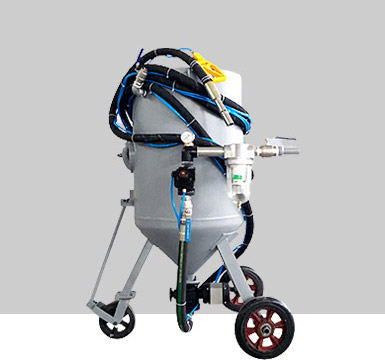
A shot blasting pot is a pressure vessel designed to store and deliver abrasive media (such as steel shot, grit, or other materials) to the surface being treated. The pot operates by using compressed air to propel the abrasive material at high speeds. This process effectively removes contaminants, rust, and old paint, while also preparing the surface for coatings or other treatments.
2. Typical Pressure Requirements
The pressure required for a shot blasting pot typically ranges from 80 to 120 psi (pounds per square inch). However, the exact pressure can vary based on several factors, including:
Type of Abrasive Media: Different abrasives require different pressures to achieve optimal performance. For example, heavier media may require higher pressure to achieve the desired velocity.
Type of Surface Being Treated: Softer materials may need lower pressures to avoid damage, while harder surfaces may require higher pressures for effective cleaning.
Nozzle Size: The diameter of the nozzle affects the pressure needed. Larger nozzles generally require higher pressure to maintain the velocity of the abrasive.
Distance from Nozzle: The distance between the nozzle and the surface can impact the pressure required for effective blasting. Greater distances may necessitate higher pressures to maintain the energy of the abrasive.
3. Factors Influencing Pressure Requirements
Several factors influence the pressure requirements for shot blasting pots:
Abrasive Type: Different abrasives have varying densities and hardness levels. For example, steel shot may require a different pressure than aluminum oxide or glass beads.
Surface Condition: The condition of the substrate being blasted also impacts pressure needs. Heavily rusted or corroded surfaces may require more aggressive blasting, thus higher pressures.
Blasting Technique: The technique employed (e.g., sweeping, spot blasting) can influence the pressure settings. Continuous blasting may require different pressures compared to intermittent blasting.
Equipment Specifications: The design and specifications of the blasting pot itself, including its capacity and the efficiency of the air compressor, will also dictate the required pressure.
4. Choosing the Right Pressure
Selecting the appropriate pressure for a shot blasting pot is crucial for achieving the desired results. Here are some guidelines:
Start with Manufacturer Recommendations: Always refer to the manufacturer’s guidelines for the specific shot blasting pot being used, as they provide optimal pressure settings based on the design and intended use.
Conduct Tests: Perform test runs at different pressure settings to determine the optimal pressure for the specific abrasive and surface condition. Adjust based on the results observed.
Monitor Performance: Regularly assess the performance of the blasting operation. If the desired surface cleanliness or preparation is not achieved, consider adjusting the pressure accordingly.

5. Safety Considerations
Operating a shot blasting pot under pressure requires adherence to safety protocols to prevent accidents and ensure the safety of personnel:
Pressure Relief Valves: Ensure that pressure relief valves are functional and regularly maintained to prevent over-pressurization.
Personal Protective Equipment (PPE): Operators should wear appropriate PPE, including respiratory protection, gloves, goggles, and protective clothing to guard against flying debris and dust.
Training: Proper training should be provided for all personnel involved in the operation of shot blasting equipment to ensure they understand the risks and proper procedures.
Regular Inspections: Regularly inspect the shot blasting pot and associated equipment for wear and tear, leaks, or any signs of malfunction.

6. Maintaining Efficiency
To maintain optimal performance and efficiency in shot blasting operations, consider the following best practices:
Regular Maintenance: Schedule routine maintenance for the blasting pot and compressor to ensure they are functioning at peak efficiency.
Optimize Abrasive Use: Use the correct type and size of abrasive for the job to minimize waste and maximize effectiveness.
Monitor Air Supply: Ensure a consistent and adequate air supply to maintain the required pressure levels throughout the blasting process.
Adjust Pressure as Needed: Don’t hesitate to adjust pressure levels based on real-time feedback from the blasting operation to achieve better results.
The pressure required for a shot blasting pot is a critical factor that influences the effectiveness of the blasting process. Typically ranging from 80 to 120 psi, the exact pressure will depend on various factors, including the type of abrasive media, surface condition, nozzle size, and specific equipment design. By understanding these factors and following best practices for pressure selection and safety, operators can achieve optimal results in their shot blasting operations, ensuring effective surface preparation and enhanced productivity. Regular monitoring and adjustments, along with adherence to safety protocols, will further enhance the efficiency and safety of the blasting process.