



The Guide of vapor blasting machine price
Factors Influencing Vapor Blasting Machine Prices
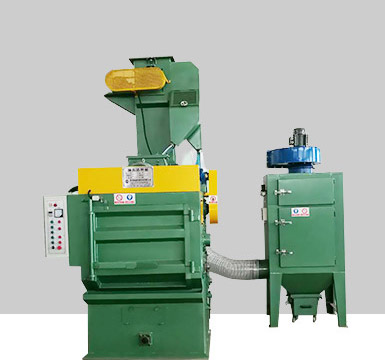
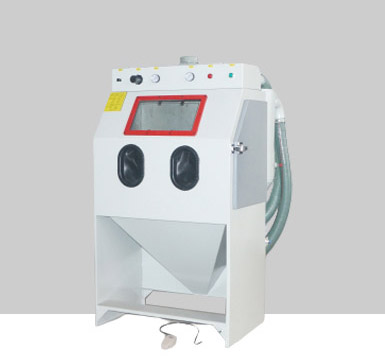
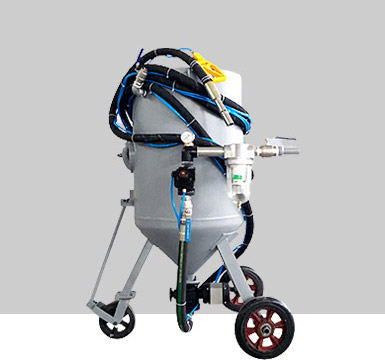
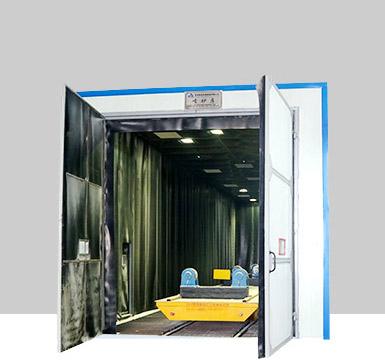
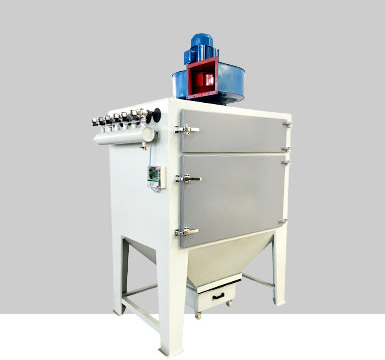
Type of Machine: The basic model and its intended use can greatly affect the price. Industrial-grade machines are more expensive than those designed for smaller workshops or DIY use.
Capacity: Larger machines with greater capacity for handling larger parts or higher production volumes will naturally command a higher price.
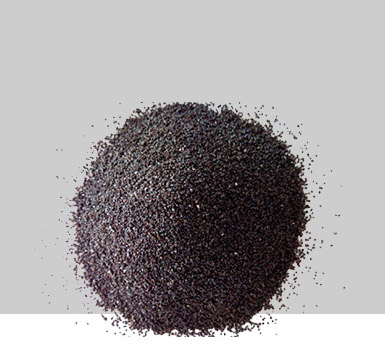
Abrasive Material: The type of abrasive used can influence the cost. Some machines are designed for specific abrasives, which can affect the overall price.
Features and Specifications: Advanced features such as programmable cycles, digital controls, and automated systems can increase the price but also improve efficiency and precision.

Construction Materials: The quality and type of materials used in the construction of the machine, including the blast chamber and components, can affect durability and cost.
Power Requirements: Machines with higher power requirements for generating steam can be more expensive but may offer faster and more effective blasting.
Brand and Manufacturer: Established brands with a reputation for quality and reliability often come with a premium price.
After-Sales Support: The availability of after-sales service, including warranties, maintenance, and spare parts, can influence the price and should be considered in the long-term cost of ownership.
Technology: Cutting-edge technology incorporated into the machine can enhance performance but may increase the initial investment.
Market Demand and Supply: Economic factors such as market demand and the availability of components can affect pricing.
Considerations When Purchasing
Budget: Determine your budget and consider whether you need a basic model or one with advanced features that justify a higher price.
Quality vs. Price: Assess the balance between quality and price. Higher-priced machines may offer better quality, durability, and performance.
Industry Standards: Ensure the machine meets industry standards and certifications relevant to your field of work.
Customization: Some manufacturers offer customizable options to tailor the machine to specific needs, which can affect the price.
Operational Costs: Consider the operational costs, including energy consumption, maintenance, and the cost of abrasives.
Training and Support: Evaluate the training and support provided by the manufacturer to ensure you can operate the machine effectively.

Resale Value: Consider the potential resale value of the machine, which can be influenced by its brand, condition, and market demand.
Warranty and Service Agreements: A comprehensive warranty and service agreement can provide peace of mind and protect your investment.
Financing Options: Explore financing options if the machine's cost exceeds your immediate budget.
Trial Period: If possible, use a trial period to test the machine's performance and ensure it meets your expectations.