





How Does a large sandblasting cabinet Work?
Large sandblasting cabinets are essential tools in various industries, including manufacturing, automotive, and aerospace. They are designed to clean, finish, or prepare surfaces by forcibly propelling abrasive materials against them. This article explores the components, benefits, applications, and considerations when using large sandblasting cabinets.
What is a Sandblasting Cabinet?
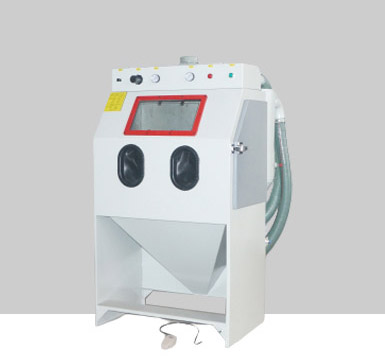
A sandblasting cabinet, also known as a blast cabinet, is an enclosed workspace that allows operators to perform abrasive blasting in a controlled environment. Unlike open sandblasting, which can create hazardous dust and debris, sandblasting cabinets contain the media and prevent it from escaping into the surrounding area. This containment not only enhances safety but also improves efficiency and cleanliness.
Components of a Large Sandblasting Cabinet
Cabinet Structure: Typically made of steel or heavy-duty plastic, the cabinet houses the workpiece and contains the abrasive media.
Viewing Window: A transparent panel, usually made of thick glass or polycarbonate, allows operators to see the workpiece while protecting them from flying debris.
Abrasive Media: Various materials, such as sand, glass beads, or aluminum oxide, are used to achieve different finishes and remove contaminants.
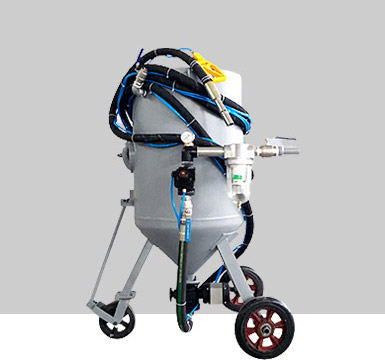
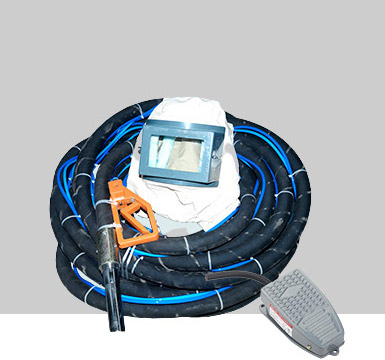
Blast Gun: This handheld tool directs the abrasive media onto the surface of the workpiece. It often features adjustable pressure controls for precision.
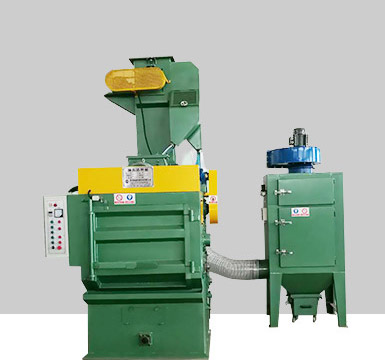
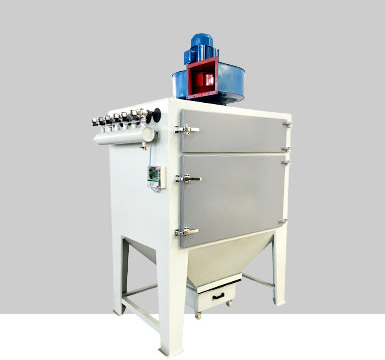
Dust Collection System: This system filters and recycles the abrasive media, ensuring that the cabinet remains clean and that operators are not exposed to harmful dust.
Lighting: Integrated lighting inside the cabinet provides visibility, allowing operators to work more efficiently and accurately.
Foot Pedal or Control Switch: These controls activate the blast gun, allowing operators to have hands-free operation for better maneuverability.
How Does a Sandblasting Cabinet Work?
The operation of a sandblasting cabinet involves several steps:
Preparation: The operator places the workpiece inside the cabinet, ensuring it is secured and accessible.
Media Loading: Abrasive media is loaded into the cabinet, typically through a dedicated port.
Activation: When the operator engages the blast gun, compressed air is released, propelling the abrasive media towards the workpiece.
Surface Treatment: The abrasive media impacts the surface, effectively removing paint, rust, or contaminants, and preparing it for finishing.
Recycling: The dust collection system captures and recycles the used media, allowing it to be reused for additional blasting while keeping the cabinet clean.
Benefits of Using Large Sandblasting Cabinets
1. Safety
Large sandblasting cabinets significantly enhance safety by containing hazardous materials and preventing dust exposure. Operators can work without the risk of inhaling harmful particles or being struck by debris.
2. Efficiency
These cabinets are designed for high-volume work, allowing multiple parts to be processed quickly. The recycling of abrasive media also reduces waste and operational costs.
3. Control
The enclosed environment of a sandblasting cabinet allows for precise control over the blasting process. Operators can adjust pressure and media flow to achieve the desired finish without affecting surrounding areas.
4. Versatility
Large sandblasting cabinets can accommodate various workpieces, making them suitable for diverse applications, from automotive parts to delicate components used in electronics.
5. Reduced Cleanup
Since the cabinet contains the abrasive media and dust, cleanup is minimal compared to open blasting setups. This efficiency saves time and resources.

Applications of Large Sandblasting Cabinets
Large sandblasting cabinets are utilized in a variety of industries and applications, including:
1. Automotive Industry
In the automotive sector, sandblasting cabinets are used to remove paint, rust, and contaminants from parts such as engine components, wheels, and frames. This process prepares surfaces for repainting or finishing.
2. Aerospace Industry
Aerospace components require precise surface preparation to ensure safety and performance. Sandblasting cabinets are employed to clean and finish parts while adhering to strict quality standards.
3. Manufacturing
Manufacturers use sandblasting cabinets for polishing and finishing metal, plastic, and glass surfaces. This enhances product aesthetics and prepares items for further processing.
4. Restoration Projects
In restoration work, such as vintage car or furniture restoration, sandblasting cabinets are essential for removing layers of old paint and grime without damaging underlying materials.
5. Jewelry Making
Jewelry designers use sandblasting to create unique finishes on metal components, adding texture and enhancing the overall appearance of pieces.
Considerations When Choosing a Large Sandblasting Cabinet
When selecting a large sandblasting cabinet, several factors should be taken into account:
1. Size and Capacity
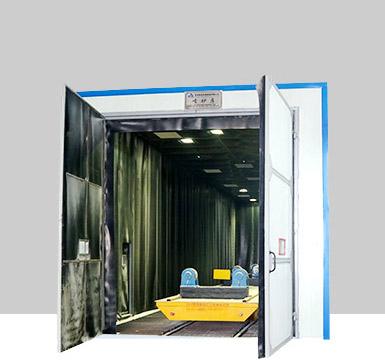
Choose a cabinet that can accommodate the largest workpieces you intend to process. Consider both internal dimensions and the overall footprint of the cabinet.
2. Type of Abrasive Media
Different applications require specific types of media. Ensure that the cabinet is compatible with the abrasive materials you plan to use, whether it’s sand, glass beads, or other options.
3. Dust Collection Efficiency
A robust dust collection system is essential for maintaining a clean workspace and ensuring operator safety. Look for cabinets with high-efficiency filters and easy maintenance features.
4. Control Features
Evaluate the control options available for the blast gun, such as pressure adjustments and foot pedal activation, which can enhance usability and precision.
5. Build Quality
Consider the materials used in the cabinet’s construction. A durable cabinet will withstand the rigors of frequent use and provide a longer lifespan.
6. Cost
While large sandblasting cabinets can represent a significant investment, consider the long-term benefits and savings associated with increased efficiency and reduced media waste.
Maintenance of Large Sandblasting Cabinets
Regular maintenance is crucial for ensuring the longevity and performance of sandblasting cabinets. Key maintenance practices include:
1. Cleaning the Cabinet
Periodically clean the interior of the cabinet to prevent the buildup of dust and debris. This will also enhance visibility and working conditions.
2. Inspecting the Dust Collection System
Regularly check and replace filters in the dust collection system to ensure optimal airflow and dust capture.
3. Checking for Wear and Tear
Inspect the blast gun, hoses, and other components for signs of wear. Replace any damaged parts promptly to maintain efficient operation.
4. Lubricating Moving Parts
Ensure that any moving parts, such as hinges and foot pedals, are properly lubricated to prevent sticking and ensure smooth operation.
5. Monitoring Media Levels
Keep an eye on the abrasive media levels and refill as necessary. Regularly check the quality of the media to ensure it is suitable for the desired finish.
Large sandblasting cabinets are invaluable tools in a variety of industries, offering safety, efficiency, and versatility in surface preparation and finishing. Understanding their components, benefits, applications, and maintenance needs is essential for maximizing their effectiveness. As technology continues to advance, the potential for enhanced features and improved performance in sandblasting cabinets will only grow, making them an even more indispensable asset in modern manufacturing and restoration processes. Whether for automotive, aerospace, or creative applications, investing in a quality sandblasting cabinet can yield significant returns in productivity and quality.